
Business Hours: Mon - Fri: 8AM - 8PM

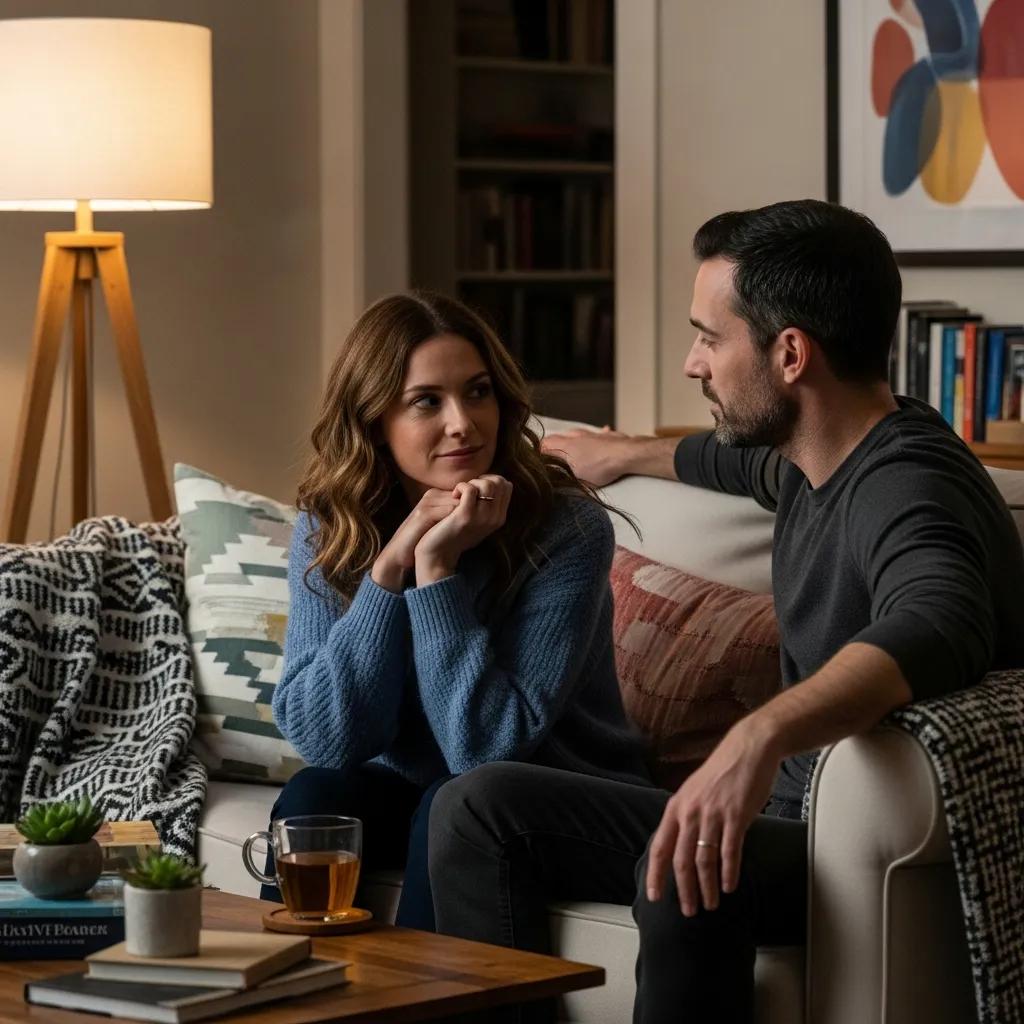
Couple engaged in a heartfelt conversation on a cozy couch, symbolizing conflict resolution and emotional intimacy

Healthy Conflict Management for Couples in Irvine

Jul 13, 2026 | 66

Conflict Resolution Strategies for Couples in Irvine: Effective Couples Counseling and Psychotherapy for Lasting Relationship Growth

Key Takeaways

  • All couples face conflict, but understanding its roots and approaching disagreements with empathy is essential for growth.
  • Effective communication tools like active listening, validation, and "I" statements can transform conflict into connection.
  • Managing emotional reactivity through calming techniques helps keep conversations productive and compassionate.
  • Therapeutic approaches such as psychodynamic therapy can uncover deep-seated patterns to foster lasting intimacy and resilience.
  • Professional counseling, including accessible online therapy, offers valuable support when conflicts feel overwhelming or repetitive.

What Are the Common Causes of Relationship Conflict Among Couples in Irvine?

Relationships are a beautiful yet complex dance between two individuals, and it’s natural that from time to time, partners will stumble into conflict. In Irvine and beyond, couples often grapple with common, familiar challenges—communication breakdowns, trust struggles, and emotional disconnection—all of which can cloud the warmth and closeness that originally brought them together. Understanding these causes with compassion is the first step toward healing and deeper connection.

How Do Communication Problems Trigger Conflicts in Relationships?
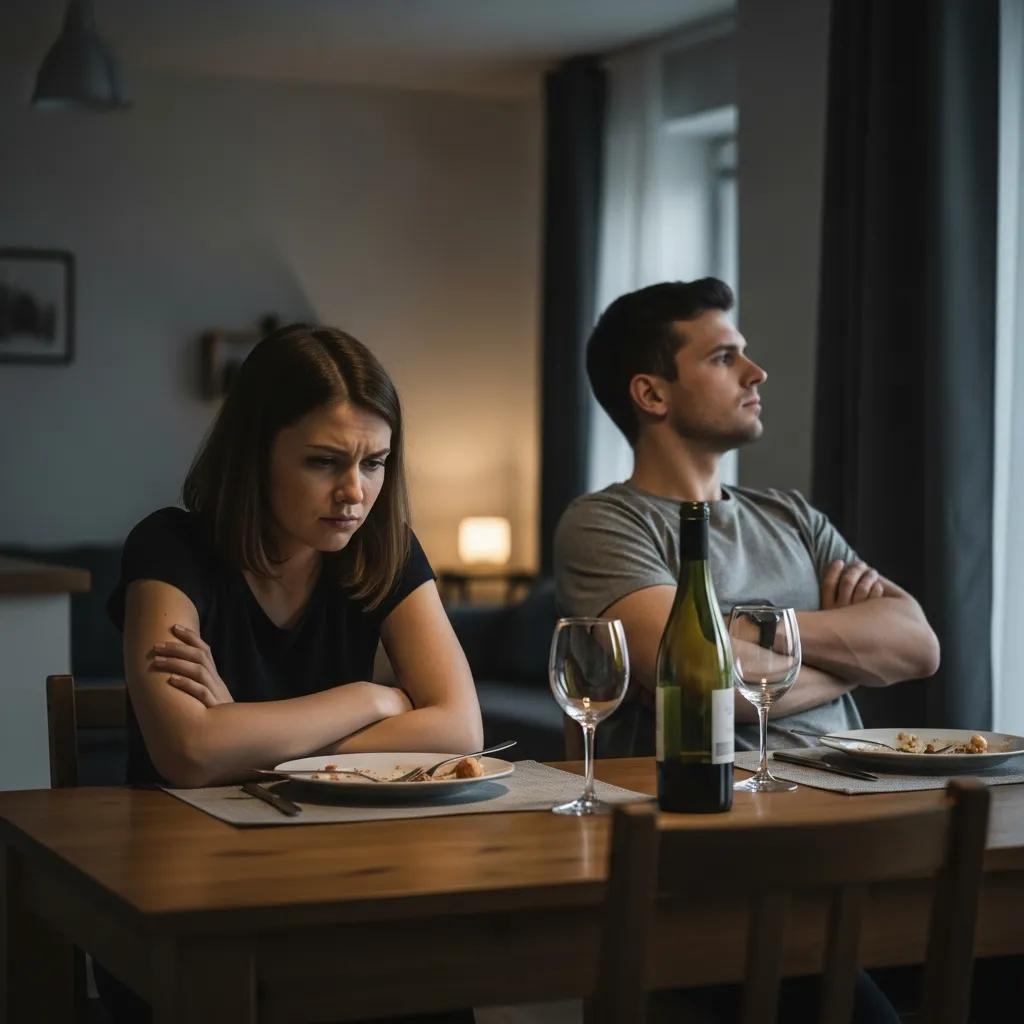
When communication falters, even small misunderstandings can feel like walls instead of bridges. Often, partners may feel unheard or misunderstood when one isn’t fully present or when feelings are dismissed. These moments accumulate, stirring frustration, hurt, or resentment, and can turn simple disagreements into emotional battles. As a relationship therapist, I’ve witnessed how couples who learn to speak and listen with intentional care rediscover trust and connection beneath the surface noise.

What Role Do Trust Issues and Emotional Disconnect Play in Conflicts?

Trust is the foundation on which love builds its most resilient structures. When that foundation cracks—whether through past wounds, unmet needs, or unspoken doubts—partners feel vulnerable and distant. Emotional disconnect follows, making even joyful moments strained. Importantly, what looks like trivial arguing often masks deeper pains and fears. Creating a safe space where emotions can be openly explored helps couples bridge the gap and reconnect with the heart of their bond.

Which Conflict Resolution Strategies Improve Communication and Emotional Intimacy?

Transforming conflict into a chance for growth requires more than good intentions—it calls for tools and practices that nourish understanding and empathy. Embracing techniques such as active listening, genuine validation, and the use of “I” statements shifts conversations from blame to mutual care, allowing couples to be heard and respected in their vulnerability.

How Does Active Listening and Validation Enhance Couple Communication?

Active listening is about fully tuning into your partner’s words, feelings, and needs without preparing your rebuttal or retreating into silence. When done with presence and warmth, it says, “You matter, your feelings matter.” Validation adds a gentle acknowledgment—“I see why you feel that way” —breaking down defenses and calming tension. Together, these skills create a fertile ground for honest, heartfelt dialogue where both partners feel safe to express and explore their inner worlds.

Understanding different conflict resolution profiles, including the importance of validation and negotiation, can further illuminate how couples navigate disagreements and impact their relationship quality.

Conflict Resolution Profiles & Relationship Quality in Couples

This study aimed to identify conflict resolution profiles and assess relationship quality levels associated with each profile. The participants were 750 heterosexual couples living in southern Brazil. They filled out measures about conflict resolution strategies, relationship quality, and sociodemographic data. A latent profile analysis was conducted in order to classify participants regarding conflict resolution. Variance and association analyses were also conducted in order to examine relationships between the resolution profiles and other study variables. Four profiles were identified: Low Conflict/ Withdraw, Validator, Hostile, and Volatile. The Validator profile showed higher relationship quality, followed by Low Conflict/Withdraw and Volatile profiles, which did not differ from each other, and the Hostile, which showed low levels of relationship quality. We conclude that even though validation and negotiation are desirable, emotionally intense strategies may also be benef

How do couples disagree?

An analysis of conflict resolution profiles and the quality of romantic relationships, MZ Delatorre, 2019

What Are 'I' Statements and How Do They Reduce Blame in Arguments?

Using “I” statements is like opening a window to your feelings without pointing a finger of blame. Saying, “I feel hurt when you don’t listen to me,” invites empathy rather than defensiveness. This subtle but powerful shift helps couples to stay curious about each other’s experiences and work together toward resolution, rather than slipping into cycles of accusation and shutdown.

Which Conflict Resolution Strategies Are Healthy Versus Unhealthy?

Healthy Conflict Resolution StrategiesUnhealthy Conflict Resolution Strategies
Active listening and empathizingUsing "I" statementsValidating emotionsSeeking compromise and negotiationManaging emotional reactivity through mindfulnessTaking time-outs when neededBlaming and criticismStonewalling or shutting down communicationAvoiding conflict entirelyEscalating arguments with yelling or insultsUsing silent treatmentsHolding onto grudges without resolution

How Can Couples Manage Anger and Emotional Reactivity During Conflicts?

It’s completely human to feel strong emotions during conflicts; anger and frustration can signal unmet needs or fears. What matters most is how couples handle these feelings. Cultivating awareness around emotional reactivity allows partners to pause, breathe, and choose responses that bring them closer instead of driving them apart. Remember, de-escalation isn’t about denying feelings, but honoring them without letting them overpower the conversation.

Emotional Reactivity, Conflict, and Couple Satisfaction

1. The purpose of this research was to develop a structural equation model that tested the effects of emotional reactivity on the relational health of a representative sample of 736 premarital couples. We hypothesized that partners’ perceived family-of-origin experience would be predictive of partners’ reports of their own and their partners’ emotional reactivity. These reports were hypothesized to predict partners’ reports of their own and their partners’ ability to manage conflict, which were hypothesized to predict relationship satisfaction.

Putting emotional reactivity in its place? Exploring family-of-origin influences on emotional reactivity, conflict, and satisfaction in premarital couples, DM Busby, 2007

What Techniques Help De-escalate Emotional Escalation in Couples?

Some practical and loving strategies to calm heated moments include taking intentional time-outs, where each partner steps away to breathe and reflect; engaging in breathing exercises to restore a sense of calm and perspective; and gently reaffirming mutual care even amid disagreement. These tools help couples move from reactive impulses toward thoughtful, compassionate understanding.

How Does Compromise and Negotiation Lead to Win-Win Solutions?

When both partners approach conflict with a spirit of collaboration rather than competition, they pave the way for solutions that honor each person’s needs. Compromise and negotiation build trust as couples prove to each other that their relationship is a shared project, one where teamwork creates stronger bonds and shared happiness.

What Are the Benefits of Psychodynamic Couples Therapy for Conflict Resolution in Irvine?

Psychodynamic couples therapy offers a gentle but profound path to healing by exploring the unseen emotional currents beneath everyday conflicts. This approach helps couples uncover unconscious patterns and relational wounds they may be unknowingly repeating. With a skilled guide, couples open new pathways toward intimacy, bonding, and meaningful change.

Psychodynamic Couple Therapy: Intimacy & Conflict Resolution

most significant contributions of psychodynamic thought to the field of couple therapy. It psychodynamics, the emphasis has been on facilitating intimacy, bonding, and conflict resolution.

Psychodynamic couple therapy: A practical synthesis, 2017

How Does Dr. James Tobin’s Depth-Oriented Approach Address Underlying Relationship Patterns?

Dr. James Tobin’s approach invites couples to gently explore hidden emotional landscapes and recurring cycles that shape their interactions. Bringing these patterns to light enables couples to step out of unconscious reactions and respond with greater awareness and care, fostering a more authentic and loving connection.

How Does Psychodynamic Therapy Foster Lasting Psychological Growth and Emotional Resilience?

By supporting individuals and couples in processing deep emotions and unmet needs, psychodynamic therapy nurtures resilience—a vital skill for weathering future challenges together. This growth reinforces a couple’s capacity for empathy, patience, and understanding, creating a durable foundation for shared joy and intimacy.

Psychotherapy for Couples: Resilience & Mental Health

1. Background and purpose:The level of health and mental health in marriage is one of the important criteria that determines the quality of life of couples. The purpose of the present study was to compare the effectiveness of short-term dynamic psychotherapy and schema-based therapy on resilience and mental health of couples.

Comparing the effectiveness of short-term dynamic psychotherapy and schema-based therapy on the resilience and mental health of couples, 2025

When Should Couples in Irvine Seek Professional Counseling for Relationship Conflicts?

There is strength in knowing when to reach out for support. Couples in Irvine might find that despite their best efforts, certain patterns or conflicts persist, making therapy a compassionate next step. Seeking help is not a sign of failure—it’s a proactive choice to nurture the relationship you value.

What Are the Signs That Indicate the Need for Couples Therapy?

Consider professional counseling if you notice frequent, unresolved arguments, a growing emotional distance, or if communication feels more painful than productive. Feeling stuck in repetitive cycles or hopeless about change also signals that a neutral, trained professional could offer new perspectives and tools to heal and reconnect.

How Does Couples Therapy Help Rebuild Trust and Improve Relationship Dynamics?

Through therapy, couples gain a safe, supportive environment to share their truths and listen deeply. Guided by therapeutic techniques, partners develop new ways to express feelings, address wounds, and break harmful patterns. This healing fosters trust and opens doors to a vibrant, resilient partnership.

Gottman Method for Conflict Management & Relational Satisfaction

for couples presenting for therapy following the discovery of infidelity. Forty-nine couples, notably in the areas of trust, conflict management, relational satisfaction, and quality of sex.

A pilot study examining the effectiveness of Gottman method couples therapy over treatment-as-usual approaches for treating couples dealing with infidelity, TJ Irvine, 2024

How Does Online Couples Therapy in Irvine Provide Convenient and Effective Conflict Resolution?

The challenges of life sometimes make it difficult to prioritize therapy, but online couples therapy in Irvine offers a flexible and private space to engage in meaningful healing. This approach blends convenience with professional expertise to help couples stay connected even amid busy schedules or mobility concerns.

What Are the Advantages of HIPAA-Compliant Virtual Therapy Sessions?

HIPAA-compliant online sessions provide a secure, confidential space where couples can explore sensitive topics comfortably. Removing travel and scheduling barriers creates more consistent engagement and uninterrupted therapeutic progress, all within the safety of your chosen environment.

How Does Online Therapy Compare to In-Person Counseling for Couples?

Online therapy delivers many of the benefits of in-person counseling along with additional flexibility. Couples can choose therapists who best fit their style and needs, schedule sessions around their day, and engage from the safety of their home. When approached with commitment and openness, virtual therapy can be just as impactful in overcoming conflicts and fostering relationship strength.

Conclusion: Embracing Growth and Healing Together

Every relationship encounters its share of challenges, but with empathy, intention, and support, conflicts can become pathways to deeper understanding and love. If you and your partner find yourselves facing recurring conflicts or feeling disconnected, remember that seeking help is a brave and hopeful step—not just for saving your relationship but for enriching the lives you share. Whether through practicing compassionate communication, exploring therapy, or embracing new strategies together, lasting growth is within your reach. In Irvine and beyond, couples who invest in these tools nurture resilience, intimacy, and joy that stand the test of time.

0 Comments

Submit a Comment

Your email address will not be published. Required fields are marked *

James Tobin Ph.D.
Privacy Overview

This website uses cookies so that we can provide you with the best user experience possible. Cookie information is stored in your browser and performs functions such as recognising you when you return to our website and helping our team to understand which sections of the website you find most interesting and useful.