
Business Hours: Mon - Fri: 8AM - 8PM

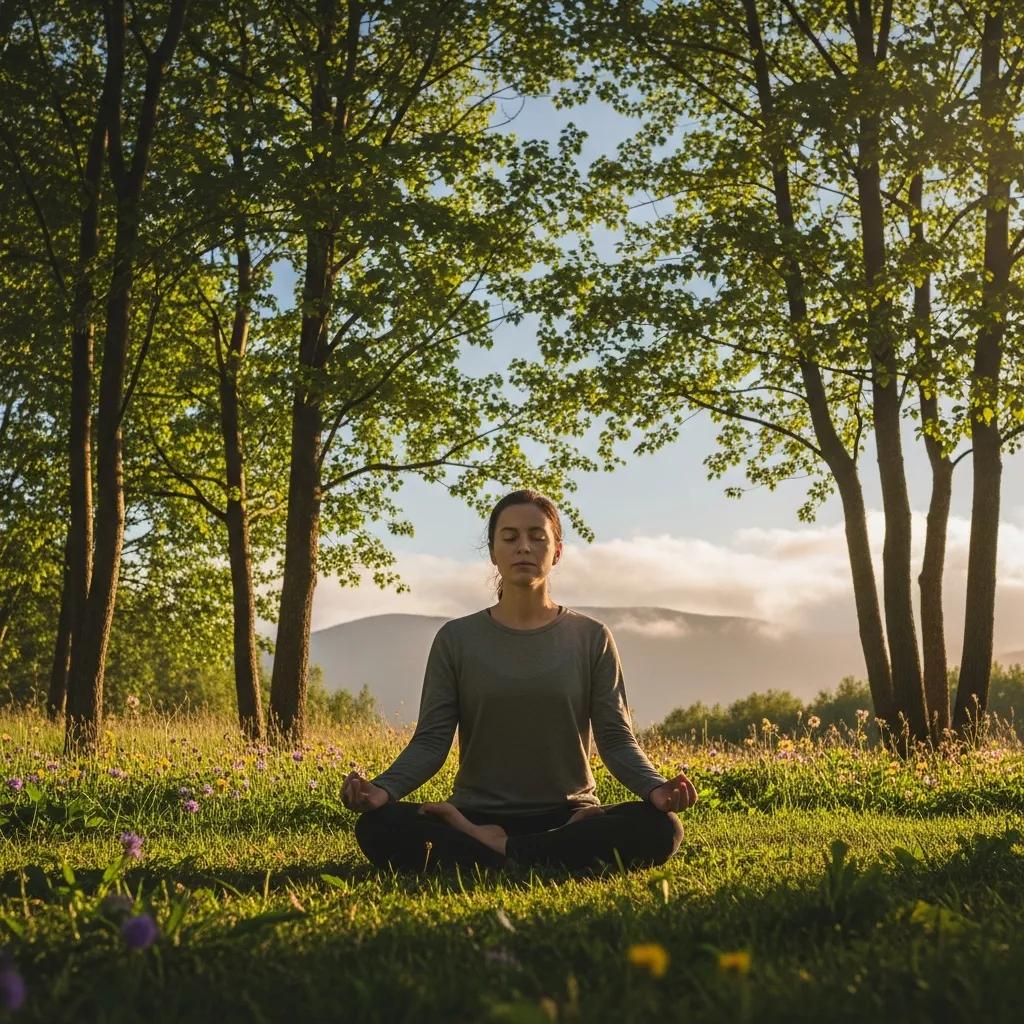
Person meditating in a peaceful outdoor setting, promoting stress relief and mindfulness

Beginners Guide to Meditation for Stress Relief: Effective Techniques and Benefits for New Practitioners

Sep 9, 2026

Meditation has emerged as a powerful tool for stress relief, offering individuals a pathway to tranquility and mental clarity. This guide aims to introduce beginners to the fundamental concepts of meditation and mindfulness, highlighting effective techniques and their benefits. As stress becomes an increasingly prevalent issue in our fast-paced lives, understanding how meditation can alleviate its effects is essential. This article will explore the definitions of meditation and mindfulness, the science-backed benefits of regular practice, practical steps for beginners, and how integrating meditation with psychotherapy can enhance stress management. By the end, readers will have a comprehensive understanding of how to incorporate meditation into their daily routines for improved emotional resilience and well-being.

What Is Meditation and Mindfulness for Stress Relief?

Meditation is a practice that involves focusing the mind to achieve a state of mental clarity and emotional calm. Mindfulness, on the other hand, is the practice of being fully present in the moment, observing thoughts and feelings without judgment. Both practices play a crucial role in stress relief by promoting relaxation and reducing anxiety. Engaging in meditation allows individuals to step back from their daily stressors, fostering a sense of peace and well-being. Understanding the differences between these two practices is essential for beginners looking to effectively manage stress.

How Do Meditation and Mindfulness Differ in Managing Stress?

Meditation and mindfulness, while interconnected, serve different purposes in stress management. Meditation often involves structured techniques, such as guided sessions or breath-focused practices, aimed at calming the mind. In contrast, mindfulness encourages individuals to remain aware of their thoughts and feelings in real-time, promoting acceptance and reducing reactivity to stressors. For example, a person may meditate for 10 minutes to center themselves before a stressful meeting, while mindfulness can be practiced throughout the day by simply observing ones thoughts without judgment. Both approaches contribute to a holistic strategy for managing stress effectively.

What Are the Key Principles of Mindfulness for Beginners?
For those new to mindfulness, several key principles can guide practice:

  • Present Moment Awareness: Focus on the here and now, acknowledging thoughts and feelings without distraction.
  • Non-Judgmental Observation: Accept experiences as they are, without labeling them as good or bad.
  • Acceptance: Embrace thoughts and feelings without trying to change them, fostering a sense of peace.

What Are the Science-Backed Benefits of Daily Meditation for Stress?

Research has shown that regular meditation can lead to significant improvements in mental health and stress management. Regular practice has been linked to reduced levels of cortisol, the stress hormone, and enhanced emotional resilience. Furthermore, meditation can improve focus, increase self-awareness, and promote a greater sense of well-being. Understanding these benefits can motivate individuals to incorporate meditation into their daily routines.

How Does Meditation Affect the Brain and Body to Reduce Stress?

Meditation positively impacts both the brain and body by promoting relaxation and reducing stress responses. Studies indicate that regular meditation can lead to changes in brain structure, particularly in areas associated with emotional regulation and stress response. For instance, meditation has been shown to reduce the reactivity of the amygdala, the brains stress center, while increasing the thickness of the prefrontal cortex, which is responsible for higher-order thinking and decision-making. These changes contribute to improved emotional regulation and a greater ability to cope with stress.

What Evidence Supports Meditation for Anxiety and Emotional Regulation?

Numerous studies support the effectiveness of meditation in reducing anxiety and enhancing emotional regulation. Research indicates that individuals who practice meditation regularly report lower levels of anxiety and improved mood. For example, a meta-analysis of multiple studies found that mindfulness meditation significantly reduces symptoms of anxiety and depression. These findings underscore the importance of meditation as a valuable tool for managing emotional health and stress.

How Can Beginners Start Meditation for Stress Relief?

Starting a meditation practice can be simple and accessible for beginners. Here are some practical steps to help you get started:

  • Choose a Quiet Space: Find a comfortable, quiet place where you can sit or lie down without distractions.
  • Set a Timer: Begin with short sessions, such as 510 minutes, gradually increasing the duration as you become more comfortable.
  • Focus on Your Breath: Pay attention to your breathing, noticing the sensation of air entering and leaving your body.

By following these steps, beginners can establish a consistent meditation practice that promotes stress relief and emotional well-being.

What Are Simple Guided Meditation Techniques for Anxiety and Overwhelm?
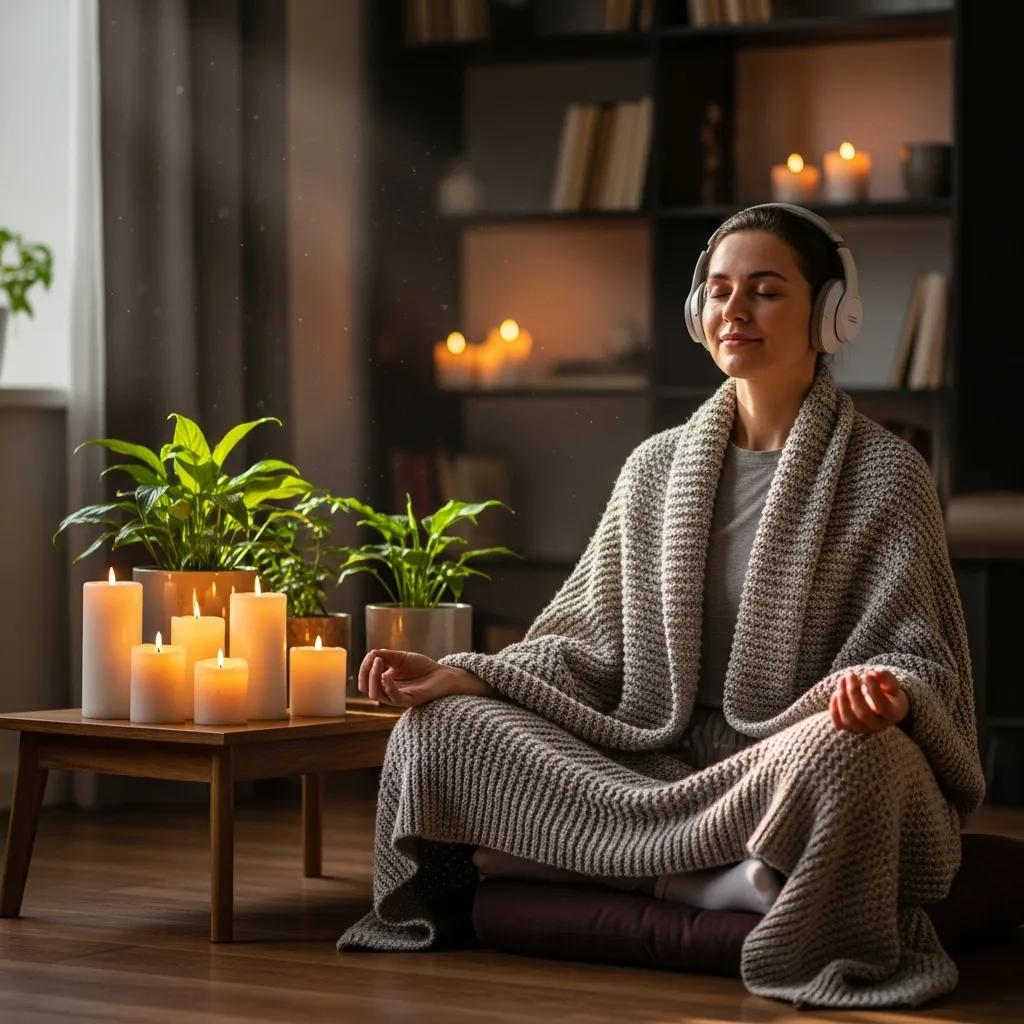
Several guided meditation techniques can help beginners manage anxiety and feelings of overwhelm:

  • Breath Awareness Technique: Focus on your breath, inhaling deeply through the nose and exhaling slowly through the mouth. This technique calms the mind and reduces anxiety.
  • Body Scan Meditation: Lie down comfortably and mentally scan your body from head to toe, noticing any areas of tension and consciously relaxing them.
  • Mindful Walking: Take a slow, deliberate walk, paying attention to each step and the sensations in your body. This practice combines movement with mindfulness, helping to ground you in the present moment.

These techniques provide accessible ways for beginners to engage in meditation and experience its benefits.

Beyond these foundational practices, other specific techniques like mindfulness grounding can offer immediate relief during moments of high anxiety or stress.

5-Step Mindfulness Grounding for Anxiety & Stress

It is a widely practiced psychological & self-help first-aid technique which aims to stop uncontrolled thoughts, spiraling, mental chaos, growing anxiety & stress. Its a recovery method to snap out of short-term high-intensity bouts of anxiety, flashbacks, and unwanted negative thoughts so you can relax and calm down.

A 5-Step mindfulness grounding technique to ease anxiety & why mindfulness works, 2020

How Long Should You Meditate Daily to Experience Stress Reduction?

Research suggests that even short daily meditation sessions can yield significant benefits. Beginners may start with just 510 minutes per day, gradually increasing to 2030 minutes as they become more comfortable with the practice. Consistency is key; regular practice can lead to more profound stress reduction and emotional resilience over time. Setting a specific time each day for meditation can help establish a routine and make it easier to integrate into daily life.

How Does Integrating Meditation with Psychotherapy Enhance Stress Management?

Integrating meditation with psychotherapy can create a powerful synergy for stress management. This combination allows individuals to address underlying emotional issues while also developing coping strategies through meditation. Many therapists incorporate mindfulness techniques into their sessions, helping clients cultivate greater self-awareness and emotional regulation.

What Psychotherapeutic Approaches Complement Meditation for Lasting Change?

Several psychotherapeutic approaches work well with meditation, enhancing its effectiveness:

  • Cognitive Behavioral Therapy (CBT): This approach helps individuals identify and change negative thought patterns, which can be reinforced through mindfulness practices.
  • Dialectical Behavior Therapy (DBT): DBT incorporates mindfulness as a core component, teaching clients to manage emotions and improve interpersonal relationships.
  • Trauma-Informed Care: This approach recognizes the impact of trauma on mental health and integrates mindfulness techniques to promote healing and resilience.

How Does Meditation Support Emotional Resilience and Self-Awareness in Therapy?

Meditation fosters emotional resilience and self-awareness, essential components of effective therapy. By encouraging individuals to observe their thoughts and feelings without judgment, meditation helps clients develop a deeper understanding of their emotional responses. This increased self-awareness can lead to more effective coping strategies and improved emotional regulation, ultimately enhancing the therapeutic process.

What Mindfulness Techniques Are Best for Different Stressful Life Situations?

Mindfulness techniques can be tailored to address various stressful life situations, providing practical tools for managing stress effectively. Here are some techniques suited for different contexts:

  • Busy Professionals: Short, focused breathing exercises can be practiced during breaks to reduce stress and enhance focus.
  • Parents and Adolescents: Engaging in family mindfulness activities, such as mindful eating or nature walks, can foster connection and reduce stress.
  • Students: Techniques like visualization and positive affirmations can help manage academic pressure and anxiety.

By adapting mindfulness practices to specific situations, individuals can better cope with stress and enhance their overall well-being.

Which Meditation Practices Help Busy Professionals Manage Work Stress?

Busy professionals can benefit from several meditation practices designed to fit into their hectic schedules:

  • Mindful Breathing: Taking a few moments to focus on your breath can help center your thoughts and reduce stress during a busy workday.
  • Mini-Meditations: Short, 12 minute meditations can be practiced between tasks to reset and refocus the mind.
  • Guided Visualization: Using guided imagery to envision a peaceful scene can provide a mental escape from work-related stress.

These practices can be easily integrated into a professionals daily routine, promoting stress relief and enhancing productivity.

How Can Parents and Adolescents Use Mindfulness to Cope with Family and Academic Pressure?

Mindfulness can be a valuable tool for families and adolescents facing stress from academic and family pressures. Here are some techniques to consider:

  • Family Mindfulness Exercises: Engaging in activities like mindful cooking or gardening together can strengthen family bonds while promoting relaxation.
  • Mindful Study Techniques: Encouraging adolescents to take mindful breaks during study sessions can improve focus and reduce anxiety.
  • Journaling: Keeping a mindfulness journal can help both parents and adolescents reflect on their thoughts and feelings, fostering emotional awareness and resilience.

By incorporating mindfulness into family life, both parents and adolescents can develop healthier coping mechanisms for managing stress.

Which Resources and Apps Are Recommended for Meditation Beginners Seeking Stress Relief?

For beginners looking to explore meditation further, several resources and apps can provide guidance and support:

  • Headspace: This app offers a variety of guided meditations tailored to different needs, including stress relief and anxiety management.
  • Calm: Calm provides a range of meditation sessions, sleep stories, and relaxation techniques to help users unwind and reduce stress.
  • Insight Timer: This free app features thousands of guided meditations from various teachers, making it an excellent resource for beginners.

What Are the Top Guided Meditation Apps for Anxiety and Stress?

Several guided meditation apps stand out for their effectiveness in addressing anxiety and stress:

  • Headspace: Known for its user-friendly interface, Headspace offers guided meditations specifically designed for stress relief and anxiety reduction.
  • Calm: This app features a wide range of meditation sessions, sleep aids, and soothing sounds to help users relax and manage stress.
  • Insight Timer: With a vast library of free guided meditations, Insight Timer allows users to explore various techniques and find what works best for them.

These apps provide valuable support for beginners seeking to incorporate meditation into their daily lives.

When Should You Seek Professional Help Beyond Meditation?

While meditation can be a powerful tool for stress relief, there are times when professional help may be necessary. Signs that meditation alone may not suffice include:

  • Persistent Anxiety: If anxiety symptoms interfere with daily life despite regular meditation practice, it may be time to seek professional support.
  • Trauma History: Individuals with a history of trauma may benefit from therapy to address underlying issues that meditation alone cannot resolve.
  • Severe Emotional Distress: If feelings of sadness or hopelessness persist, consulting a mental health professional can provide essential support and guidance.

Recognizing when to seek help is crucial for maintaining mental health and well-being.

Meditation TechniqueDescriptionBenefits
Guided MeditationStructured sessions led by an instructorReduces anxiety, promotes relaxation
Mindfulness PracticeFocused awareness on the present momentEnhances emotional regulation, increases self-awareness
Body ScanProgressive relaxation of body partsReduces tension, promotes physical relaxation

This table summarizes various meditation techniques and their associated benefits, highlighting the diverse approaches available for stress relief.

Mindfulness PrincipleExplanationApplication
Present Moment AwarenessFocusing on the current experienceReduces anxiety about the future
Non-Judgmental ObservationAccepting thoughts without labelingPromotes emotional resilience
AcceptanceEmbracing feelings as they areEnhances coping strategies

This table outlines key mindfulness principles and their applications, providing a framework for beginners to develop their practice.

By understanding the principles and techniques of meditation and mindfulness, individuals can effectively manage stress and enhance their overall well-being. Integrating these practices into daily life can lead to lasting changes in emotional health and resilience.

Frequently Asked Questions

Conclusion

In summary, meditation and mindfulness present accessible and effective strategies for managing stress and enhancing emotional well-being. Through regular practice, beginners can cultivate greater self-awareness, emotional resilience, and a calmer mind. Incorporating these techniques into daily life supports not only stress relief but also overall mental health. For those seeking personalized guidance and support in building a meditation practice tailored to individual needs, professional help can provide valuable assistance. If you are in the Irvine, CA area and looking to deepen your stress management skills, consider reaching out to Dr. James Tobin’s psychology practice. Visit jamestobinphd.com to learn more about how expert support can help you on your journey toward greater peace and well-being.

0 Comments

Submit a Comment

Your email address will not be published. Required fields are marked *

James Tobin Ph.D.
Privacy Overview

This website uses cookies so that we can provide you with the best user experience possible. Cookie information is stored in your browser and performs functions such as recognising you when you return to our website and helping our team to understand which sections of the website you find most interesting and useful.