

What Are Panic Attacks and How Do They Affect You?
What Are the Common Symptoms of Panic Attacks?
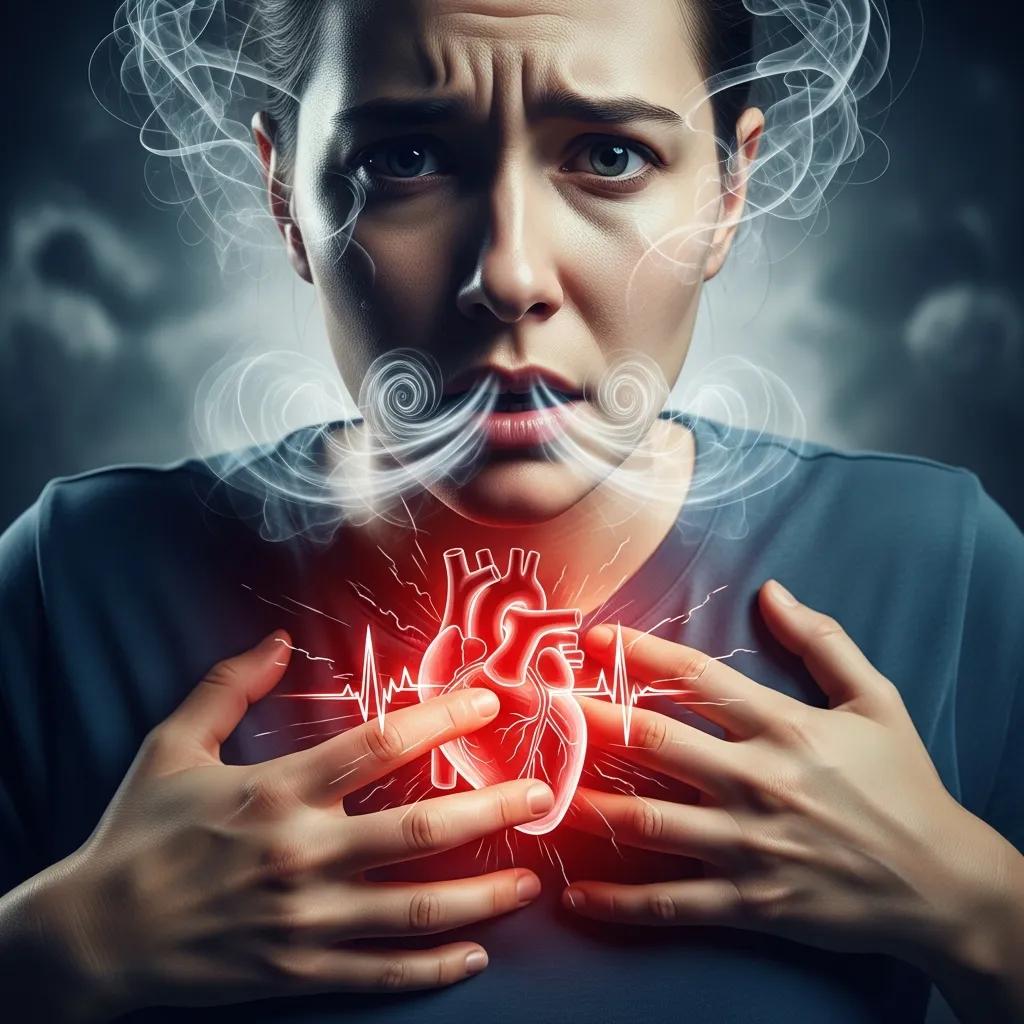
- Rapid Heartbeat: A racing heart can create a sense of impending doom.
- Shortness of Breath: Difficulty breathing often accompanies the feeling of panic.
- Sweating: Excessive sweating can occur even in cool environments.
- Trembling or Shaking: Physical manifestations of anxiety can be distressing.
- Nausea or Stomach Discomfort: Many individuals report gastrointestinal issues during an attack.
How Do Panic Attacks Differ from Other Anxiety Disorders?
Effective Therapy for Panic Disorder: CBT & Psychotherapy
Generalized anxiety disorder (GAD) and panic disorder (PD) are among the most common mental disorders in the United States, and they can negatively impact a patient’s quality of life and disrupt important activities of daily living. Successful outcomes may require a combination of treatment modalities tailored to the individual patient. Treatment often includes medications such as selective serotonin reuptake inhibitors and/or psychotherapy, both of which are highly effective. Among psychotherapeutic treatments, cognitive behavior therapy has b
Diagnosis and management of generalized anxiety disorder and panic disorder in adults, AB Locke, 2015
What Causes Panic Attacks and What Triggers Should You Know?
Which Genetic and Environmental Factors Contribute to Panic Disorder?
What Are Typical Triggers That Can Lead to Panic Attacks?
- Stressful Situations: High-pressure environments, such as work or school, can provoke attacks.
- Substance Use: Caffeine, alcohol, and recreational drugs may increase anxiety levels.
- Health Concerns: Worrying about physical health or experiencing symptoms can trigger panic.
- Major Life Changes: Events like moving, changing jobs, or relationship issues can be significant stressors.
How Does Therapy Help Manage Panic Attacks in Irvine?

What Is Dr. James Tobin9;s Psychodynamic Approach to Panic Therapy?
How Do Evidence-Based Therapies Like CBT and Exposure Therapy Work?
Panic Disorder Treatment: Improving Quality of Life with CBT
It is generally recognized that panic disorder causes functional impairment in those who suffer from it. Fortunately, recent studies illustrate that effective treatment of panic disorder (PD) produces significant medical cost offsets and, most importantly, meaningful improvements in quality of life. Thus, effective treatments for PD may not only help patients overcome their anxiety in the short term, but may also help them live more functional lives in the long term. Although traditional cognitive-behavioral treatments (CBT) for PD are moderately effective, dropout rates of 25% and above are common, and, of those offered treatment, only approximately 50% are considered responders at treatment end.
Integrating acceptance and mindfulness with cognitive behavioral treatment for panic disorder, M Karekla, 2005
Which Therapy Modalities Are Most Effective for Panic Disorder?
How Does Cognitive Behavioral Therapy Address Panic Attacks?
What Role Does Exposure Therapy Play in Overcoming Panic?
How Can You Access Panic Attack Therapy in Irvine?
What Should You Expect During Your First Therapy Session?
How Does Online Therapy Provide Convenient Support for Panic Attacks?
What Are Practical Coping Strategies and Resources for Living with Panic Disorder?
Which Self-Help Techniques and Mindfulness Exercises Can Reduce Panic?
Where Can You Find Support and Additional Resources in Irvine?
| Therapy Modality | Description | Effectiveness |
|---|---|---|
| Cognitive Behavioral Therapy (CBT) | Focuses on changing negative thought patterns | High |
| Exposure Therapy | Gradual exposure to feared situations or sensations | High |
| Psychodynamic Therapy | Explores emotional and relational aspects | Moderate |

0 Comments