Business Hours: Mon - Fri: 8AM - 8PM

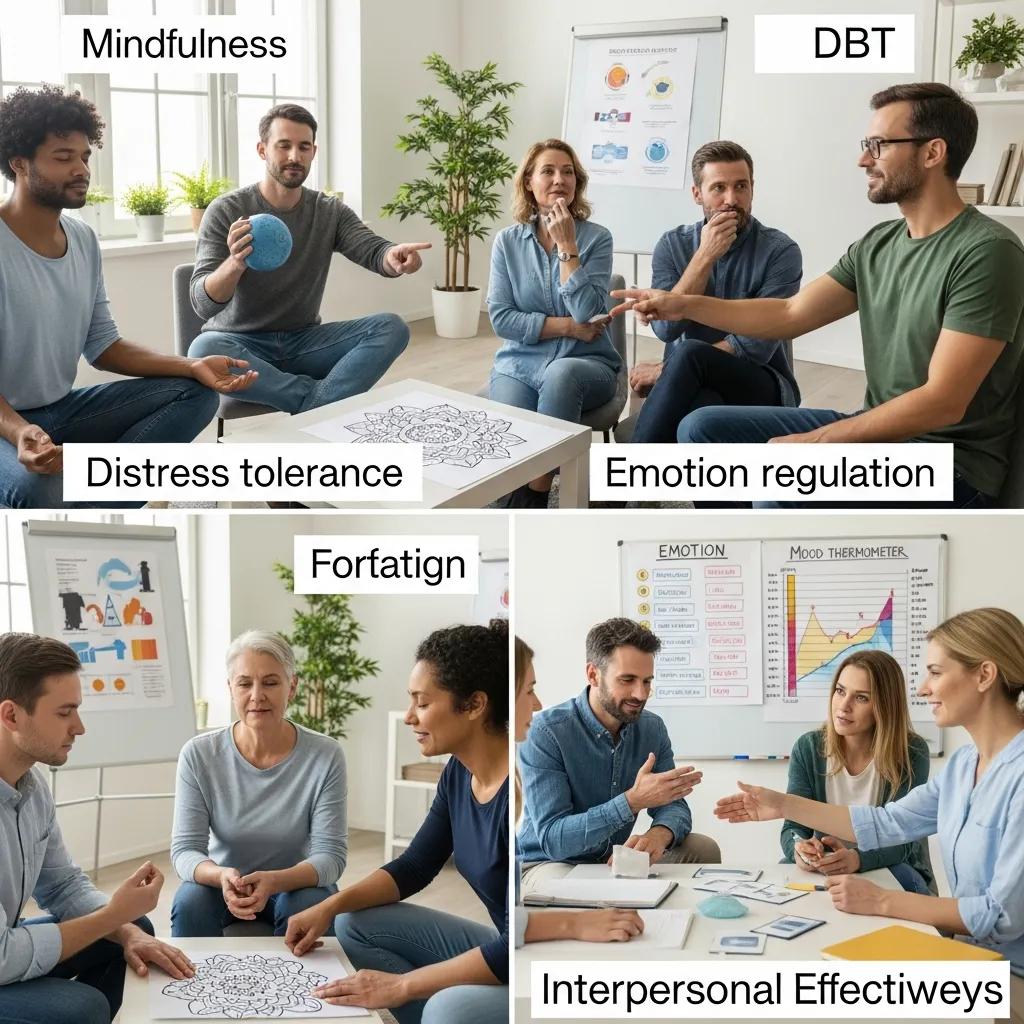
Therapy session illustrating the supportive environment of CBT and DBT

CBT vs DBT: Which Therapy is Right for You?

May 12, 2026 | Keyword Topics

CBT vs DBT: Which Therapy is Right for You?

CBT vs DBT: Which Therapy is Right for You? A Comprehensive Guide to Choosing the Best Approach

Cognitive Behavioral Therapy (CBT) and Dialectical Behavior Therapy (DBT) are two prominent therapeutic approaches that have gained recognition for their effectiveness in treating various mental health conditions. This comprehensive guide will help you understand the core principles, techniques, and applications of both therapies, enabling you to make an informed decision about which might be the best fit for your needs. Many individuals struggle with emotional regulation, anxiety, and relationship issues, and understanding these therapies can provide valuable insights into effective treatment options. We will explore the fundamentals of CBT and DBT, their differences and similarities, and how to choose the right therapy for you. Additionally, we will highlight how Dr. James Tobin’s unique approach can enhance therapy outcomes.

What Is Cognitive Behavioral Therapy and How Does It Work?

Cognitive Behavioral Therapy (CBT) is a structured, time-limited psychotherapy that focuses on the interconnections between thoughts, feelings, and behaviors. By identifying and challenging negative thought patterns, CBT helps individuals develop healthier thinking and coping strategies. This approach is particularly effective for treating anxiety disorders, depression, and other mental health issues. The goal of CBT is to empower individuals to take control of their thoughts and emotions, leading to improved mental well-being.

What Are the Core Principles and Techniques of CBT?

CBT is grounded in several core principles and techniques that facilitate change:

  1. Cognitive Restructuring: This technique involves identifying and challenging distorted thoughts, replacing them with more balanced and realistic ones.
  2. Behavioral Activation: Encouraging individuals to engage in activities that promote positive emotions and reduce avoidance behaviors.

These techniques work together to help individuals gain insight into their thought processes and develop healthier coping mechanisms.

Which Conditions Does CBT Effectively Treat?

CBT has been shown to be effective for a variety of conditions, including:

  • Anxiety Disorders: Research indicates that CBT significantly reduces symptoms of anxiety, helping individuals manage their fears and worries.
  • Depression: Studies show that CBT can lead to substantial improvements in mood and overall functioning for those experiencing depression.

The effectiveness of CBT for these conditions is supported by numerous clinical trials and meta-analyses, making it a widely recommended treatment option.

What Is Dialectical Behavior Therapy and What Are Its Key Components?

Dialectical Behavior Therapy (DBT) is a specialized form of cognitive-behavioral therapy designed to help individuals with emotional regulation and interpersonal effectiveness. Originally developed for individuals with Borderline Personality Disorder, DBT has proven beneficial for various mental health issues, particularly those involving intense emotions and self-destructive behaviors.

What Are the Four Core Skills of DBT?

DBT focuses on teaching four core skills that are essential for emotional regulation:

  1. Mindfulness: This skill encourages individuals to stay present and fully engage with their thoughts and feelings without judgment.
  2. Distress Tolerance: Techniques in this area help individuals cope with crises and manage emotional pain without resorting to harmful behaviors.
  3. Emotion Regulation: Skills that help individuals understand and modulate their emotional responses.
  4. Interpersonal Effectiveness: Techniques that improve communication and relationship-building skills.

These skills are crucial for individuals seeking to improve their emotional resilience and interpersonal relationships.

Which Conditions Are Best Treated with DBT?

DBT is particularly effective for:

  • Borderline Personality Disorder: Research shows that DBT significantly reduces self-harm behaviors and improves emotional regulation in individuals with this diagnosis.
  • Self-Harm and Suicidal Behaviors: DBT has been shown to decrease the frequency of self-injurious behaviors and suicidal ideation.

The structured nature of DBT, combined with its focus on skill-building, makes it a valuable treatment option for those struggling with these challenges.

What Are the Main Differences and Similarities Between CBT and DBT?
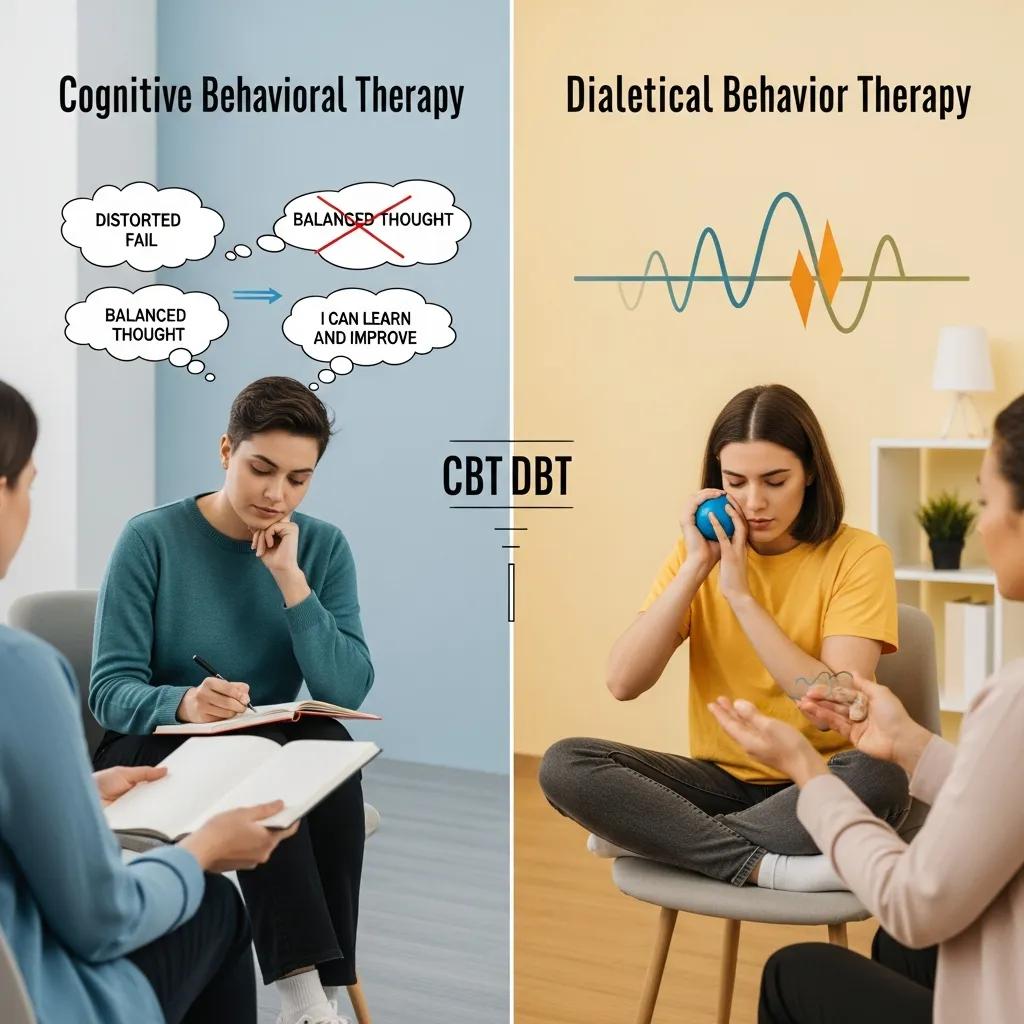
How Do CBT and DBT Differ in Focus, Goals, and Treatment Structure?

CBT primarily focuses on changing negative thought patterns and behaviors, while DBT emphasizes emotional regulation, distress tolerance, and interpersonal effectiveness. The treatment structure also differs, with CBT often being more structured and goal-oriented, whereas DBT includes a skills training component, individual therapy, phone coaching, and emphasizes the therapeutic relationship.

In What Ways Do CBT and DBT Overlap and Complement Each Other?

Both therapies utilize cognitive-behavioral techniques and share a focus on helping individuals develop healthier coping strategies. They can complement each other, particularly for individuals who may benefit from both cognitive restructuring and emotional regulation skills.

Which Therapy Is Right for Me? Personalized Guidance for Choosing Between CBT and DBT

Choosing between CBT and DBT depends on individual symptoms, personal goals, and specific mental health challenges. Understanding your unique needs is crucial in making this decision.

How Do Symptoms and Personal Goals Influence Therapy Choice?

Individuals experiencing anxiety or depression may find CBT particularly beneficial due to its focus on cognitive restructuring. Conversely, those struggling with intense emotions, self-harm, or suicidal behaviors may benefit more from DBT’s emphasis on emotional regulation, distress tolerance, and interpersonal skills. A personalized assessment can help clarify which approach aligns best with your goals.

Can CBT and DBT Be Combined for a Tailored Treatment Approach?

Yes, integrating elements of both CBT and DBT can create a tailored treatment plan that addresses a broader range of symptoms. This combined approach allows individuals to benefit from the strengths of both therapies, enhancing overall treatment effectiveness.

How Does Dr. James Tobin’s Approach Enhance CBT and DBT Outcomes?

Dr. James Tobin’s practice emphasizes a relational, insight-oriented approach grounded in psychodynamic principles. This depth-oriented framework enhances the effectiveness of both CBT and DBT by fostering a strong therapeutic alliance and promoting lasting psychological growth.

What Is Dr. Tobin’s Depth-Oriented, Psychodynamic Framework?

Dr. Tobin’s framework focuses on understanding the underlying emotional and relational dynamics that contribute to mental health challenges. By addressing these deeper issues, individuals can achieve more profound and lasting changes in their mental well-being.

How Are Virtual and In-Person Therapy Sessions Offered in Irvine, CA?

Dr. Tobin offers both virtual and in-person therapy sessions, providing flexibility for clients in Irvine, CA. This accessibility ensures that individuals can receive the support they need, regardless of their circumstances.

What Are the Benefits of Seeking Professional Help for CBT and DBT?

Seeking professional help for CBT and DBT can significantly enhance treatment outcomes. Professional therapists provide guidance, support, and expertise that can lead to more effective therapy.

What Evidence Supports the Effectiveness of CBT and DBT?

Numerous studies have demonstrated the effectiveness of both CBT and DBT for various mental health conditions. Research indicates that these therapies lead to significant improvements in symptoms and overall quality of life for individuals seeking help.

How Can Scheduling a Consultation with Dr. Tobin Support Your Therapy Journey?

Scheduling a consultation with Dr. Tobin can provide personalized guidance and support tailored to your unique needs. His expertise in both CBT and DBT, combined with his relational approach, can help you navigate your therapy journey effectively.

Therapy TypeCore FocusKey TechniquesConditions Treated
CBTCognitive restructuringCognitive restructuring, behavioral activationAnxiety disorders, depression
DBTEmotional regulationMindfulness, distress tolerance, emotion regulation, interpersonal effectivenessBorderline Personality Disorder, self-harm, suicidal behaviors

This table highlights the core differences and similarities between CBT and DBT, illustrating how each therapy addresses specific mental health challenges.

In summary, understanding the distinctions and applications of CBT and DBT can empower individuals to make informed decisions about their mental health treatment. By considering personal symptoms and goals, individuals can choose the therapy that best aligns with their needs, potentially leading to improved outcomes and enhanced emotional well-being.

0 Comments

Submit a Comment

Your email address will not be published. Required fields are marked *

James Tobin Ph.D.
Privacy Overview

This website uses cookies so that we can provide you with the best user experience possible. Cookie information is stored in your browser and performs functions such as recognising you when you return to our website and helping our team to understand which sections of the website you find most interesting and useful.