
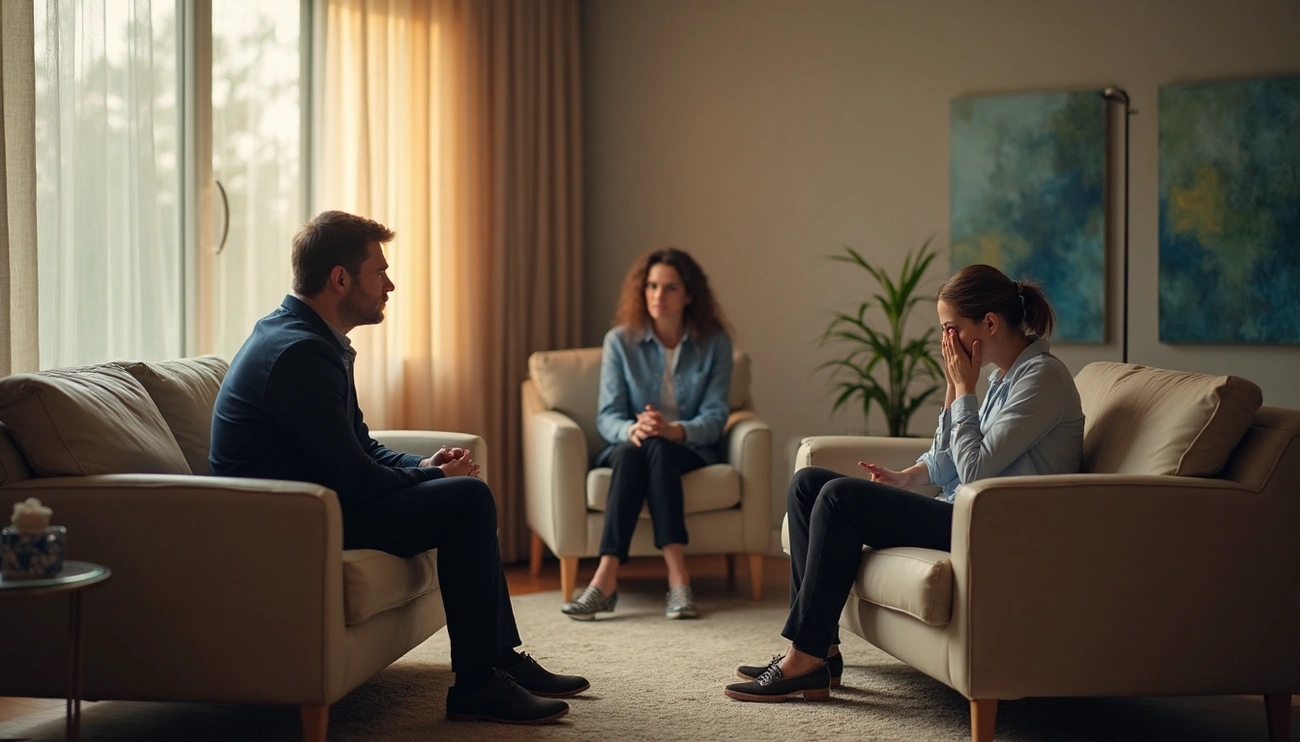
Overcoming Infidelity: Rebuilding Trust and the Healing Stages of Couples Therapy
In the aftermath of infidelity, couples therapy provides a structured approach to recovery by supporting both partners through a series of stages that stabilizes the crisis, explores the underlying dynamics of the relationship, establishes new levels of transparency and accountability, mourns the loss of the relationship as it once was, and rebuilds trust.
KEY POINTS:
- The discovery or revelation of infidelity throws the relationship into crisis: the betrayed partner often experiences emotional turmoil that is comparable to Post-Traumatic Stress Disorder (PTSD) and the unfaithful partner frequently struggles with a range of emotional issues including denial, guilt, self-reproach, and/or defensiveness.
- Infidelity destroys each partner’s previous mental construction or narrative of the relationship as it once was, which significantly disorganizes one’s sense of self, the shared meaning between the partners, and long-held beliefs about attachment bonds and emotional safety.
- Psychodynamic couples therapy offers an intervention strategy that seeks to stabilize the crisis, explore underlying dynamics, and build new skills to re-orient and re-define the couple and ultimately strengthen the partners’ bond.
- Other important factors addressed in the recovery process include the option of co-occurring individual therapy; managing anger, grief, and the betrayed partner’s “need to know” the details of the infidelity; developing ways to cope with triggers and hypervigilance; and tolerating deeper levels of emotional intimacy.
Introduction
Infidelity is a deeply painful experience that can shake the very foundation of even the strongest relationships. When trust is broken, feelings of betrayal, anger, and confusion often take center stage.
Research shows that 20% of men and 12% of women report having had sex with someone other than their married partner, and some social commentators are now considering the possibility of a rising infidelity epidemic in America.
The emotional damage experienced by the betrayed partner, similar to PTSD, has been dubbed “Post Infidelity Stress Disorder” (though this term has not yet become an official diagnosis in the psychiatric nomenclature). After discovering infidelity, a majority of betrayed partners struggle with emotional and psychiatric issues including anxiety, depression, and physical symptoms and psychosomatic conditions including migraine and insomnia.
Further, the ripple effects of infidelity can extend beyond the immediate relationship. Families, friendships, and even professional relationships may feel the strain.
Recovery from infidelity is a complex process, and it often requires professional guidance. Psychodynamic couples therapy, the preferred treatment strategy in my practice, provides a structured environment for both partners to explore their feelings and begin the healing process. It offers a safe space to voice concerns, understand each other’s perspectives, and work toward rebuilding trust.
What Makes Infidelity So Emotionally Devastating
The shock of betrayal. Infidelity creates one of the deepest emotional wounds anyone can experience in a relationship. Finding out about betrayal feels like “the death of the relationship.” This discovery sends shock waves through every part of life, creating a trauma that experts often compare to PTSD. Between 30% to 60% of people who face their partners’ cheating show signs of anxiety, depression, and PTSD. This goes beyond simple heartbreak. The psychological damage can spark flashbacks, nightmares, and ruminations about the betrayal.
Our brains register this betrayal as trauma because it comes from someone we trust completely. Victims of infidelity often feel profound sadness, anger, betrayal, and a sudden loss of self-worth. Many betrayed partners keep asking themselves “How could my partner do this to me?” They struggle to understand something that has broken their world view.
Loss of emotional safety. The devastating nature of infidelity “lays siege to a betrayed partner’s attachment system.” Our romantic relationship give us a secure foundation to face the world; betrayal shatters this foundation.
This broken bond affects almost every part of life. People who face betrayal often feel both emotional and physical pain, including sleepless nights and stomach problems. The attachment injury creates a complex conflict—the person who hurt us is usually the one turn to for comfort (which is often referred to as a “trauma bond”).
This paradox makes the trauma worse. Betrayed partners often find it exceedingly difficult to just walk away from the relationship, especially when children are involved as well as complex financial holdings that have accumulated over the course of the relationship. Given the intricately connected life the partners have built, “betrayal blindness” is a term used to describe the denial that may occur when people might ignore signs of cheating to keep their relationship intact.
Why trust is hard to rebuild. Trust becomes particularly hard to rebuild after infidelity because betrayal changes how our brain manages safety and threat. Trust is rooted in feeling safe with another person. Once someone breaks that trust, our brain starts looking for danger everywhere.
Betrayed partners often become hyper-alert (“hypervigilant”), where normal events trigger suspicion, anxiety, and even panic attacks. A simple text message on a partner’s phone might cause a surge of anxiety and typical social interactions might feel threatening. This constant state of alert makes rebuilding trust a slow and difficult process.
Future relationships can suffer too. There now may be significant hesitation to trust others, including friends and family.
Rebuilding trust gets even more complicated because honesty plays a central role. The relationship just went through a massive breach of trust. The partner who broke the trust must now show consistent transparency, while the betrayed partner struggles to be vulnerable again.
Understanding Infidelity: A Psychological Perspective
Infidelity is not merely a breach of trust; it is often a manifestation of deeper psychological issues within the relationship. In couples therapy, an important assumption is that unconscious conflicts and unmet emotional needs drive individuals to seek fulfillment outside of their primary partnership. Understanding these underlying factors is crucial for couples who are attempting to navigate the aftermath of infidelity.
Unconscious motivations
Affairs do not just happen randomly—they usually come from complex psychological factors that operate outside of our awareness. In therapy, couples are introduced to the notion that affairs originate from factors other than simply sexual attraction or a chance encounter.
Many individuals engage in extramarital affairs to escape feelings of inadequacy, loneliness, or dissatisfaction within their primary relationship. These unconscious motivations may stem from unresolved childhood issues, attachment styles, or relational patterns established in previous relationships.
Affairs often represent unconscious attempts to assert autonomy. A partner might struggle with commitment and/or monogamy on many levels, causing him or her to view a long-term relationship as a prison rather than an emotional bond that must be protected. When this is the case, “acting out” becomes a way to gain freedom and feel powerful. This rebellion against the limits and boundaries that commitment requires often indicates deeper psychological conflicts rather than just wanting another relationship.
Couples therapy shows how unfaithful partners often “edit” their view of the infidelity situation before, during, and/or after the infidelity has been discovered. They may magnify, distort, or downplay certain elements of the situation to create a narrative that makes the infidelity appear understandable or at least defensible. Careful exploration helps clients recognize and confront these unconscious distortions that lead to betrayal.
Emotional disconnection and its consequences
Infidelity often occurs in the context of emotional disconnection between partners. As couples become entrenched in their daily routines and responsibilities, they may neglect the emotional intimacy that is vital for a healthy relationship.
This disconnection can create a breeding ground for resentment and longing, leading one partner to seek solace in an affair. Couples therapy helps partners identify and address these emotional voids, fostering a deeper understanding of each other’s needs.
Attachment wounds
Couples therapists often view infidelity as an “attachment injury”—a breach of trust that questions the entire relationship. These wounds affect our basic need for secure connection. Attachment theory helps us understand affairs from this perspective. The betrayal activates the same attachment system that responds when infants lose contact with their mothers. The betrayed partner’s distress and protest mirror early childhood attachment disruptions.
Couples therapy explores how the attachment injuries of infidelity register as traumatic interpersonal experiences which violate internal representations of others and our narratives about safety.
The impact of past experiences and relationship patterns
Past experiences, particularly those related to attachment and trauma, can significantly influence an individual’s behavior in relationships. For instance, individuals who experienced abandonment or betrayal in childhood may be especially prone to infidelity as adults.
In addition, research shows that people whose parents were unfaithful are more likely to cheat on their partners. This highlights how infidelity patterns may be perpetuated across generations.
Couples therapy encourages partners to explore these past experiences, allowing them to understand how they shape their current relational dynamics.
Stages of Healing in Psychodynamic Couples Therapy
The journey to recovery from infidelity occurs across stages in psychodynamic couples therapy. Each stage helps address specific parts of the relationship that have been impacted by the infidelity, as well as the origins of the infidelity. These phases help couples see where they are and what comes next.
Stage 1. Stabilizing the emotional crisis
Because infidelity puts relationships in extreme turmoil, the initial goal of therapy is crisis stabilization. Couples go through a rollercoaster of emotions in the immediate aftermath of the revelation of infidelity. Partners may feel shock, confusion, hurt, anger and numbness. These strong feelings are normative but difficult to manage.
Couples therapy, and often co-occurring individual therapy, help each partner cope with these intense emotions. The betrayed partner learns to deal with intrusive thoughts and feelings. The unfaithful partner learns how to stay open and non-defensive. This moves the couple toward stability, which is necessary for numerous reasons including delaying rushed or impulsive decisions which could further damage the relationship and the partners’ lives.
Stage 2. Creating a safe therapeutic space
A safe, non-judgmental environment established in couples therapy is crucial to recovery from affairs. Infidelity makes people feel vulnerable and exposed. The therapy office must be a place where both partners know they will be heard and respected without judgment.
Trust between partners and the therapist becomes vital during this time. The therapist adopts a neutral, inquisitive, and compassionate demeanor, which helps both partners feel supported and heard. This atmosphere of safety hopefully encourages partners to share their thoughts and feelings openly and non-defensively.
Moreover, supporting a safe therapeutic space involves avoiding the common mistakes made by clinicians who may not be experienced with treating couples in the aftermath of infidelity.
Stage 3. Processing the betrayal and establishing accountability
After gaining some sense of stability, couples therapy tackles the trauma from betrayal.
Partners learn to handle emotional triggers and develop ways to cope as their respective nervous systems adjust to new realities of their relationship.
It is not uncommon for betrayed partners to experience significant anxiety or even panic attacks as they find themselves hypervigilant of their partners’ behavior; text notifications or late meetings may become sources of tension, fear, and rage. The betrayed partner’s neurophysiology now “remembers” or “flashes back” to the pain of the discovery of the infidelity before his or her mind can rationally negotiate it.
Further, the unfaithful partner often feels a mixture of complex and often contradictory emotions including shame, self-criticism (or self-contempt), and fear of losing everything important to him or her. Both partners can work through these emotions honestly only when they feel safe enough to be vulnerable.
At this stage in the recovery process, accountability is a crucial component of successful couples therapy. It involves helping the unfaithful partner take responsibility for his or her actions and acknowledging their impact on the relationship. For the unfaithful partner, this means being transparent about his or her actions and demonstrating a commitment to change. Further, the unfaithful partner must be willing to answer questions and provide reassurance as needed. This openness helps rebuild trust and shows a genuine desire to make amends.
Stage 4. Examining relationship patterns
Couples therapy encourages couples to examine their relational patterns and dynamics.
By identifying recurring themes and behaviors, partners can gain insight into the underlying issues that may have contributed to the onset of infidelity. This exploration allows couples to break free from destructive cycles and establish healthier ways of relating to one another.
Stage 5. Rebuilding emotional connection
This phase focuses on rebuilding trust through clear communication, honesty, and consistent behavior. Both partners must openly share their thoughts, feelings, and actions. Words must line up with actions to restore trust, and reliability must be demonstrated over time. For most couples, a period of emotional closeness and safety must occur before one or both partners feel comfortable with physical intimacy.
Stage 6. Redefining the relationship and setting boundaries and expectations
The last stage builds something new instead of trying to go back to the way things were. Couples create a new foundation based on mutual respect, empathy, and understanding.
Establishing clear boundaries and expectations is essential for rebuilding trust after infidelity. Boundaries define what is acceptable within the relationship and provide a sense of security for both partners. In therapy, couples can discuss and agree on boundaries that reflect their values and needs.
Setting expectations involves outlining goals for the relationship moving forward. This includes defining what rebuilding trust looks like and identifying steps to achieve it. Expectations should be realistic and mutually agreed upon to ensure both partners are committed to the healing process.
Therapy offers guidance in creating these boundaries and expectations. Therapists can facilitate discussions to ensure that both partners feel heard and respected. By setting clear guidelines, couples can build a framework for a healthier, more trusting relationship.
Common Challenges and How Therapy Helps Navigate Them
Couples rarely find a smooth path to recovery after infidelity. Specific challenges can disrupt the healing process without proper support. Therapy gives couples the tools to handle these difficult aspects of affair recovery.
The Role of Individual Growth and Individual Therapy
While couples therapy focuses on the relationship, individual growth is also a vital component of the healing process. Each partner must engage in self-reflection and personal development to foster a healthier relationship dynamic.
Individual therapy can complement the relational component of couples therapy by allowing each partner to explore his or her personal history and relational experiences. Understanding how past experiences shape current behaviors can empower individuals to make positive changes in their relationships.
Emotional intelligence is crucial for navigating the complexities of relationships. Individual therapy helps partners develop greater emotional awareness, enabling them to recognize and articulate their feelings. This increased emotional intelligence can enhance communication and empathy within couples therapy sessions and, more broadly, throughout the relationship, fostering a deeper connection between partners.
Navigating Anger and Grief
The emotional aftermath of infidelity is often turbulent, with feelings of anger, grief, resentment, shame, and self-reproach at the forefront. Anger/rage is a natural response to betrayal, but it is essential to manage it constructively. In therapy, couples learn techniques for expressing anger without resorting to blame or hostility. This approach fosters healthy communication and prevents further damage to the relationship.
Grief is another common emotion experienced after infidelity. It involves mourning the loss of trust, security, and the mental construction or narrative of the relationship as it once was. Therapy provides a safe space to process these feelings, allowing both partners to acknowledge their pain and begin the healing journey.
Dealing with Emotional Triggers
Betrayed partners often face emotional triggers. These stimuli spark powerful emotions connected to the affair, and such emotions may be manifested in psychosomatic symptoms or conditions including nausea, crying, anxiety/panic, and emotional outbursts that feel uncontrollable. Pictures/photographs, meaningful dates, TV shows about infidelity, the affair partner’s name, or specific places linked to the betrayal commonly serve as triggers.
Couples therapy helps partners understand these triggers as trauma responses rather than emotional weaknesses. The betrayed partner learns to see triggers as signals that point to areas needing healing. They develop self-compassion and practical coping strategies through this process.
Managing Ambivalence and Setbacks
The path to healing usually includes periods of calm and connection broken by intense arguments about the affair. These setbacks often raise feelings of hopelessness. Couples might feel they have not made any progress.
In couples therapy, partners become acquainted with the view that recovery rarely follows a linear path. As such, couples therapists become the “holders of hope” during these difficult times.
When One Partner Is Unsure about Staying
It is not uncommon for both partners to shift between wanting to stay vs. wanting to leave the relationship after infidelity. This creates what is sometimes referred to as “attachment ambivalence”—a contradictory pattern of moving toward and away from one’s partner.
Couples therapy addresses this challenge by recognizing that decisions about the fate of the relationship deserve time and careful consideration. A useful therapeutic strategy is to help each partner examine his or her commitment level while encouraging dedication to seeing the therapeutic process through to completion.
Conclusion
Overcoming infidelity is a challenging but potentially transformative journey that requires commitment, understanding, and emotional exploration. Psychodynamic couples therapy offers a powerful framework for couples seeking to navigate the complexities of betrayal and rebuild their relationship. By delving into unconscious motivations, relational patterns, and emotional dynamics at play, couples can gain valuable insights that pave the way for healing and reconnection.
Through open communication, mutual accountability, and a commitment to personal growth, couples can emerge from the shadows of infidelity with a renewed sense of trust and intimacy. The path to healing may be fraught with challenges, but with the support of psychodynamic couples therapy, partners may be able to find their way back to each other, forging a stronger and more resilient bond in the process.
Moreover, therapy can help couples establish new patterns of interaction that promote trust and intimacy. By focusing on rebuilding the emotional connection and fostering a deeper understanding of each other’s needs, couples can lay the groundwork for a stronger, more resilient relationship.
FAQs:
Q1. Can psychodynamic couples therapy help couples recover from infidelity? Yes, psychodynamic couples therapy can be highly effective for couples recovering from infidelity. It helps explore unconscious motivations, attachment wounds, and relationship patterns that may have contributed to the affair. This approach focuses on deep emotional insight and long-term change rather than just surface-level fixes.
Q2. How long does it typically take to heal from infidelity in couples therapy? The healing process after infidelity varies for each couple, but it often takes several months to a year or more of consistent therapy. Psychodynamic couples therapy emphasizes that healing is not linear and may involve setbacks. The focus is on thorough emotional processing rather than rushing to forgive or move on too quickly.
Q3. What are some common challenges couples face during recovery from infidelity? Common challenges include dealing with emotional triggers, managing feelings of ambivalence, rebuilding trust, and navigating the rollercoaster of emotions. Psychodynamic couples therapy helps couples work through these challenges by exploring deeper emotional wounds and creating a safe space to process complex feelings.
Q4. How does psychodynamic couples therapy differ from other approaches for infidelity recovery? Unlike other approaches that primarily address communication skills or behavior modification efforts, psychodynamic couples therapy focuses on unconscious processes and early relationship patterns. It aims for deeper psychological transformation rather than just symptom management, which can lead to more lasting change.
Q5. Is it possible to rebuild trust after infidelity? While challenging, rebuilding trust after infidelity is possible with dedicated effort and professional help. Psychodynamic couples therapy can assist by helping couples understand the root causes of the betrayal, process emotions thoroughly, and gradually rebuild emotional safety and connection. However, the process requires commitment and patience from both partners.

0 Comments