

Understanding Evidence-Based Psychotherapy: A Comprehensive Guide to Effective Mental Health Treatment

What Is Evidence-Based Practice in Therapy?
What Are the Three Pillars of Evidence-Based Practice?
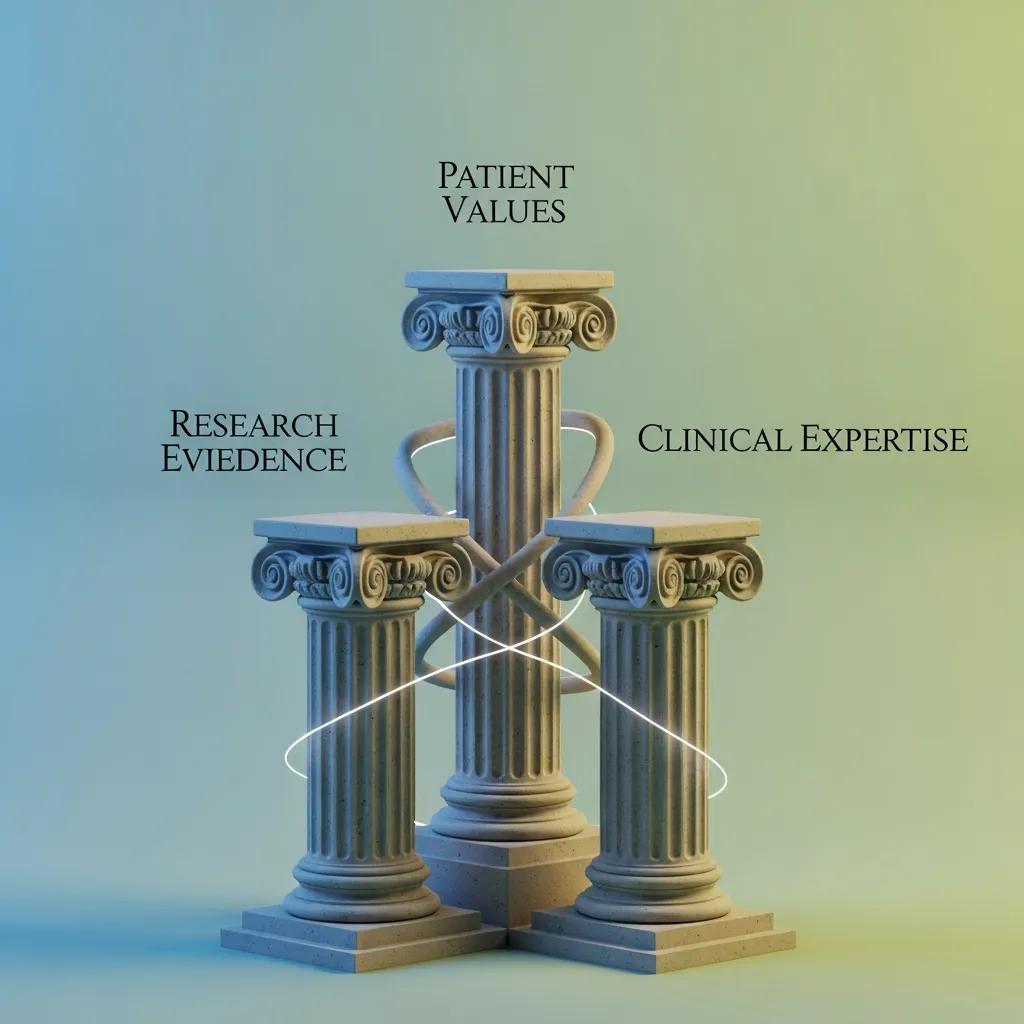
- Research Evidence: This means using the most up-to-date scientific studies and clinical trials to guide what treatments we choose. Therapists rely on solid data to understand what really works for different conditions.
- Clinical Expertise: Your therapist's experience and skills are vital. They help assess your unique situation and adjust treatments to what suits you best.
- Patient Values and Preferences: It’s essential to respect what you believe, your cultural background, and what you feel comfortable with. This ensures therapy is not just effective but also meaningful and respectful to you.
How Does Evidence-Based Therapy Differ from Traditional Approaches?
- Focus on Empirical Evidence: Evidence-based therapy puts first what science shows is effective, so you get treatments that are backed by proof.
- Adaptability to Patient Needs: Instead of a one-size-fits-all plan, this therapy is flexible, tailoring approaches to fit who you are and what you need.
- Outcome Measurement: Regularly tracking how therapy is going means your therapist can make changes to keep improving your experience and results.
Measurement as the Foundation of Evidence-Based Psychotherapy
Measurement is the foundation of evidence-based practice. Advances in measurement procedures should extend to psychotherapy practice.AimsTo review the developments in measurement relevant to psychotherapy.MethodDomains reviewed are: (a) interventions; (b) case formulation; (b) treatment integrity; (d) performance (including adherence, competence and skilfulness); (e) treatment definitions; (f) therapeutic alliance; and (g) routine outcome measurement.ResultsModern methods of measurement can support 1evidence-based practice 2 for psychological treatments. They also support 1practice-based evidence 2, a complementary paradigm to improve clinical effectiveness in routine practice via the infrastructure of Practice Research Networks (PRNs).
Measurement and psychotherapy: Evidence-based practice and practice-based evidence, M Barkham, 2000
What Are the Benefits of Evidence-Based Treatment?
Benefits & Challenges of Evidence-Based Psychotherapy
Evidence-based psychotherapies have been shown to be efficacious and cost-effective for a wide range of psychiatric conditions. Psychiatric disorders are prevalent worldwide and associated with high rates of disease burden, as well as elevated rates of co-occurrence with medical disorders, which has led to an increased focus on the need for evidence-based psychotherapies. This chapter focuses on the current state of evidence-based psychotherapy. The strengths and challenges of evidence-based psychotherapy are discussed, as well as misperceptions regarding the approach that may discourage and limit its use. In addition, we review various factors associated with the optimal implementation and application of evidence-based psychotherapies. Lastly, suggestions are provided on ways to advance the evidence-based psychotherapy movement to become truly integrated into practice.
Evidence-based psychotherapy: Advantages and challenges, 2017
- Higher Success Rates: Research shows that therapies backed by solid evidence tend to be more effective than those without, because they use methods proven to help.
- Tailored Treatment Plans: By considering your personal values and what’s important to you, these practices make sure your treatment feels relevant and engaging, which boosts your commitment.
- Cost-Effectiveness: When therapy works well, it often means it takes less time, which can reduce overall costs and make it more accessible.
How Does Evidence-Based Therapy Improve Treatment Success?
- Statistical Success Rates: Studies find that people who go through evidence-based treatments usually see bigger improvements in their symptoms compared to other approaches.
- Patient Satisfaction: When therapy honors your preferences and involves you in decisions, many people feel more satisfied and hopeful about their progress.
- Long-Term Benefits: These therapies don’t only target immediate problems but also equip you with tools to maintain and strengthen your mental health over time.
Why Is Personalized Care Important in Evidence-Based Practices?

- Individualized Treatment Plans: Creating a plan that fits your specific life story and current needs boosts the chance that therapy will feel meaningful and effective.
- Patient Engagement: When you feel listened to and that your values count, it’s easier to take an active role in the healing process.
- Cultural Competence: Recognizing and respecting your cultural background and experiences makes therapy safer and more impactful.
Which Types of Evidence-Based Therapies Are Most Effective?
- Cognitive Behavioral Therapy (CBT): CBT is a popular and well-researched therapy that helps you spot and shift negative thoughts and behaviors. It works well for anxiety, depression, OCD, and more.
- Eye Movement Desensitization and Reprocessing (EMDR): EMDR is designed to help people heal from trauma by guiding them through a process involving eye movements. It’s especially effective for PTSD.
- Emotionally Focused Therapy (EFT): EFT focuses on deepening emotional bonds and improving communication between couples, leading to stronger, more satisfying relationships.
What Is Cognitive Behavioral Therapy and Its Applications?
- Definition of CBT: CBT helps you become aware of and challenge harmful thinking patterns that might be causing emotional pain or unhelpful behaviors.
- Common Applications: It’s widely used to treat anxiety, depression, OCD, and other challenges.
- Research Backing: CBT is one of the most studied therapies, with a strong evidence base showing it works.
How Do EMDR and Emotionally Focused Therapy Support Healing?
- Overview of EMDR: By using a structured process that includes bilateral stimulation like eye movements, EMDR helps people safely process painful memories. Research backs its effectiveness in easing PTSD symptoms.
- Overview of EFT: EFT works by strengthening the emotional connection between partners, helping navigate conflicts and rebuild trust. Studies show it can lead to lasting, positive changes in relationships.
- Effectiveness in Trauma and Relationships: Both therapies have proven successful in their areas, helping people heal from trauma and form healthier bonds.
How Does Dr. Tobin Integrate Evidence-Based Practices in Psychotherapy?
- Integration of Psychodynamic and Evidence-Based Practices: He brings together traditional psychodynamic techniques with proven, research-backed methods to offer a rich and effective therapeutic experience. This lets clients explore deep personal issues while also benefiting from interventions with strong evidence behind them.
- Collaborative Approach: Dr. Tobin works closely with his clients, making sure their values and preferences guide the work they do together. This partnership encourages empowerment and shared ownership of the journey.
- Focus on Lasting Change: By combining insight with evidence-based tools, Dr. Tobin aims to help clients make meaningful, enduring improvements in their lives.
How Is Psychodynamic Depth Combined with Evidence-Based Modalities?
- Psychodynamic Principles: These dive into the unconscious thoughts and feelings that shape our behaviors and emotions. Exploring these can bring powerful insights.
- Evidence-Based Modalities: Using techniques that have strong research support ensures clients get care that’s effective and grounded in science.
- Therapeutic Outcomes: This blend helps address both surface symptoms and deeper patterns, supporting lasting healing and personal growth.
What Makes Dr. Tobin’s Collaborative Therapy Unique?
- Collaborative Techniques: He uses methods that invite you to be an active partner in your own healing, helping you feel ownership and engagement.
- Patient-Centered Focus: By putting your needs and preferences front and center, he creates a safe space where you can grow and heal at your own pace.
- Therapeutic Relationship: The trusting relationship that forms through this partnership encourages honesty and openness, making therapy more effective.
How Can You Find an Evidence-Based Therapist in Irvine and Orange County?
- Criteria for Choosing a Therapist: Seek out therapists who have training in evidence-based methods and experience with the issues you want help with. Checking their credentials and specialties can guide you.
- Questions to Ask: When you talk to a potential therapist, feel free to ask about how they approach therapy, their experience with research-backed methods, and how they involve clients in checking progress.
- Local Resources: Use directories online or local mental health groups to find therapists nearby who focus on evidence-based care.
What Questions Should You Ask When Choosing an Evidence-Based Therapist?
- Experience with EBP: Ask about how long they’ve been using evidence-based practices and their track record with clients like you.
- Approach to Therapy: Find out what their style is and how they weave evidence-based techniques into their work.
- Patient Engagement Strategies: Understand how they include clients in the therapy process and decisions.
Why Choose James Tobin Ph.D. for Evidence-Based Therapy?
- Expertise in EBP: As a licensed psychologist extensively trained in evidence-based approaches, he ensures you receive treatments backed by research and proven to be effective.
- Personalized Care: Dr. Tobin really listens and tailors therapy to fit what matters most to you, making your treatment feel personal and relevant.
- Positive Outcomes: His thoughtful integration of psychodynamic insights with evidence-based techniques has helped many clients make meaningful and lasting changes.
| Therapy Type | Description | Effectiveness | Common Applications |
|---|---|---|---|
| Cognitive Behavioral Therapy (CBT) | Focuses on changing negative thought patterns | High | Anxiety, Depression, OCD |
| Eye Movement Desensitization and Reprocessing (EMDR) | Helps process traumatic memories | High | PTSD, Trauma |
| Emotionally Focused Therapy (EFT) | Enhances emotional connections in relationships | High | Couples Therapy |

0 Comments