

What Are the Four Main Parenting Styles and Their Characteristics?
- Authoritative Parenting: This style is characterized by high responsiveness and high demands. Authoritative parents set clear expectations while also being supportive and nurturing. This approach fosters independence and self-regulation in children, leading to positive outcomes in their emotional and social development.
- Authoritarian Parenting: Authoritarian parents enforce strict rules and expect obedience without question. This style often lacks warmth and responsiveness, which can lead to children feeling less secure and more anxious. The emphasis on discipline over emotional support can hinder a child's ability to develop autonomy.
- Permissive Parenting: Permissive parents are indulgent and lenient, allowing children significant freedom with few boundaries. While this style can foster creativity and self-expression, it may also result in children struggling with self-discipline and authority.
- Uninvolved Parenting: This style is marked by a lack of responsiveness and demands. Uninvolved parents may be emotionally detached or neglectful, which can severely impact a child's emotional and social development, leading to issues such as low self-esteem and behavioral problems.
How Does Authoritative Parenting Promote Positive Child Development?
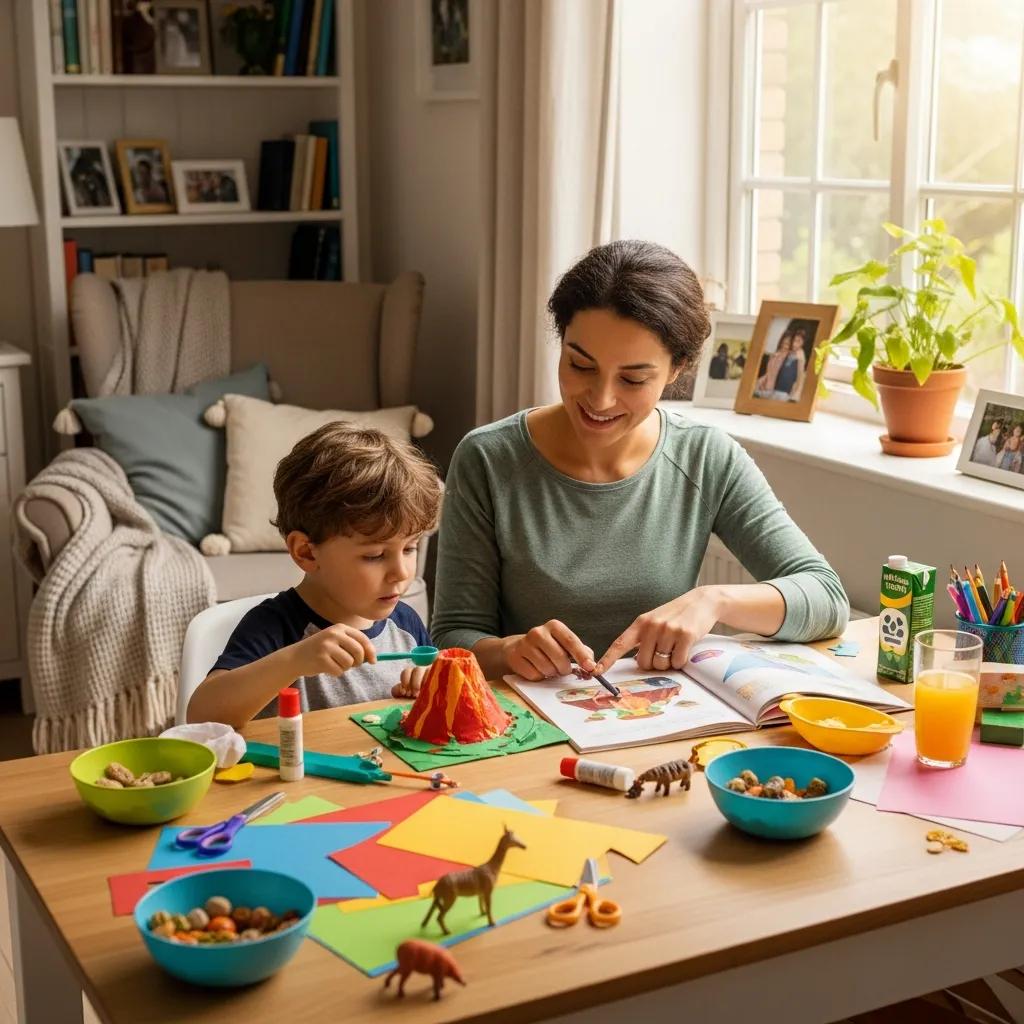
Parenting Styles and Socio-Emotional Development
Perceived optimal parental care resulted in less internalizing and externalizing problems in early adulthood in comparison to non-optimal parental care styles. Perceived optimal paternal parenting, but not maternal parenting, in interaction with childhood externalizing problems predicted externalizing symptoms in early adulthood.
The influence of perceived parenting styles on socio-emotional development from pre-puberty into puberty, MJ Meaney, 2018
What Are the Effects of Authoritarian, Permissive, and Uninvolved Parenting?
How Do Parenting Styles Influence Child Behavior and Emotional Development?
What Psychological Effects Do Different Parenting Approaches Have on Children?
Parenting Styles & Child Mental Health Outcomes
Concerning the impact of parenting styles on respondents9 later mental health, both maternal and paternal authoritarian parenting styles worsened respondents9 later mental health, including symptomatic problems, risk to self and others, life functioning, and psychological well-being. Both maternal and paternal authoritative parenting had a beneficial impact on respondents9 later mental health.
The impact of authoritative, authoritarian, and permissive parenting styles on children’s later mental health in Japan: Focusing on parent and child gender, 2014
How Does Parenting Affect Emotional Regulation and Mental Health in Adolescents?
What Family Communication Strategies Support Healthy Family Dynamics?

- Active Listening: Parents should practice active listening, which involves fully engaging with their children's thoughts and feelings. This approach validates children's emotions and encourages open dialogue.
- Open-Ended Questions: Using open-ended questions allows children to express themselves more freely, promoting deeper conversations and understanding.
- Regular Family Meetings: Establishing regular family meetings provides a structured opportunity for family members to discuss issues, share experiences, and strengthen relationships.
How Can Therapy Improve Communication Between Parents and Children?
What Role Does Family Therapy Play in Resolving Parenting Conflicts?
Which Therapeutic Approaches Address Parenting Challenges and Related Anxiety or Trauma?
- Cognitive Behavioral Therapy (CBT): CBT helps parents identify and change negative thought patterns that contribute to anxiety and stress. This approach equips parents with coping strategies to handle parenting challenges more effectively.
- Family Systems Therapy: This approach focuses on the family as a whole, examining the dynamics and relationships that influence behavior. Family systems therapy can help parents understand their roles and improve interactions with their children.
- Mindfulness-Based Therapy: Mindfulness techniques promote emotional regulation and stress reduction, allowing parents to approach challenges with a calm and centered mindset.
How Does Psychotherapy Help Manage Parenting-Related Anxiety and Trauma?
Psychotherapeutic Interventions for Family Well-being
This systematic review identified and characterized psychotherapeutic interventions that report improvements in each of three outcomes: parent symptoms, child symptoms and parenting behavior. Fifty-six unique interventions were eligible for review, of which 25 reported improvements in all three outcomes. All 25 of these interventions directly intervened on parenting behavior, often as the sole target of the intervention.
A systematic review focusing on psychotherapeutic interventions that impact parental psychopathology, child psychopathology and parenting behavior, Y Everett, 2021
What Evidence-Based Therapy Modalities Are Effective for Families?
| Therapy Modality | Description | Effectiveness |
|---|---|---|
| Cognitive Behavioral Therapy (CBT) | Focuses on changing negative thought patterns | High |
| Family Systems Therapy | Examines family dynamics and relationships | Moderate to High |
| Mindfulness-Based Therapy | Promotes emotional regulation and stress reduction | Moderate |
How Can Parents Apply Authoritative Parenting Techniques for Better Outcomes?
- Set Clear Expectations: Establishing clear rules and expectations helps children understand boundaries while promoting independence.
- Encourage Open Communication: Creating an environment where children feel comfortable expressing their thoughts and feelings fosters emotional intelligence and resilience.
- Provide Support and Guidance: Offering support while allowing children to make choices encourages autonomy and self-confidence.
What Practical Steps Enhance Emotional Development Through Authoritative Parenting?
- Model Emotional Regulation: Parents should demonstrate healthy emotional regulation, teaching children how to manage their feelings effectively.
- Encourage Problem-Solving: Allowing children to face challenges and encouraging them to find solutions fosters resilience and critical thinking skills.
- Celebrate Achievements: Recognizing and celebrating children's achievements, no matter how small, boosts their self-esteem and motivation.

0 Comments