

Business Hours: Mon - Fri: 8AM - 8PM

Executive workspace promoting work-life balance with meditation and natural light

Work-Life Balance Therapy and Stress Management for Executives

Aug 17, 2026

Effective Work-Life Balance Therapy and Executive Stress Relief Strategies for Leadership Wellness

By James Tobin, James Tobin PHD

In the fast-paced corporate world, executives often grapple with balancing the demands of their work and personal lives, leading to high levels of stress and burnout. Work-life balance therapy and stress management strategies are crucial for promoting executive mental wellness. This article explores effective techniques that corporate leaders can utilize, including mindfulness practices and emotional intelligence training, to enhance their well-being and performance. By understanding the symptoms of burnout and implementing targeted coping strategies, executives can foster a healthier work environment that supports their leadership capabilities. We will cover key stress relief techniques, the role of work-life balance coaching, common burnout symptoms, personalized therapy program structures, and the latest trends in executive mental health.

What Are the Most Effective Executive Stress Relief Techniques?

Effective executive stress relief techniques encompass a variety of practices designed to enhance mental resilience and facilitate a healthier work-life balance. By employing these techniques, executives can reduce stress levels and improve overall well-being. Key approaches include mindfulness practices, cognitive behavioral therapy, and relaxation exercises designed specifically for leadership contexts. Mindfulness promotes awareness and presence in the moment, enabling leaders to maintain clarity and composure during challenging situations.

Stress-resilience training focuses on developing coping mechanisms that enhance psychological resilience, allowing executives to bounce back from setbacks with greater ease. Implementing these techniques provides not only immediate relief but also fosters long-term mental strength and adaptability in the face of workplace challenges. The next section examines how mindfulness and psychological resilience practices specifically contribute to improved outcomes for executives.

How Do Mindfulness and Psychological Resilience Improve Executive Stress Outcomes?

Mindfulness and psychological resilience play pivotal roles in managing executive stress and enhancing workplace performance. Mindfulness practices, such as meditation and deep-breathing exercises, calm the mind and foster emotional regulation. Executives who engage in mindfulness report increased focus and decreased anxiety, enabling them to make better decisions in high-stakes environments. Moreover, these practices can improve interpersonal relationships, which is essential for effective team leadership.

Psychological resilience involves the ability to adapt to adversity and recover from stressors. By developing resilience through targeted training, executives cultivate a mindset that enables them to navigate challenges with confidence. For example, a leader trained in resilience might respond to a crisis with a calm and strategic approach, rather than succumbing to panic. Such abilities can significantly impact organizational dynamics and overall success, proving that investing in mental wellness is paramount for leadership effectiveness.

How Does Work-Life Balance Coaching Prevent Leadership Burnout?

Work-life balance coaching specifically addresses the unique challenges faced by executives, aiming to prevent burnout and promote sustainable productivity. This coaching method offers personalized guidance on managing time efficiently and prioritizing self-care amidst demanding professional responsibilities. By focusing on balance, executives learn to set boundaries that protect their personal time and mental health, essential components for long-term career success.

Incorporating coaching into executive schedules allows leaders to develop greater awareness of their limits and to implement constructive changes in their lifestyles. The benefits of work-life balance coaching extend beyond the individual to influence team morale and productivity. Thus, organizations that invest in such coaching for their leaders not only foster healthier work environments but also enhance success rates across their teams.

What Are Key Methods Used in Executive Work-Life Balance Coaching?

Executive work-life balance coaching employs several methods that effectively manage chronic stress and encourage well-being. These methods include:

  1. Time Management Techniques: Tools like the Eisenhower Matrix help leaders prioritize tasks, enabling them to delegate effectively and focus on high-impact activities.
  2. Mindfulness Practices: Regular mindfulness exercises foster awareness and emotional regulation, equipping leaders to handle stressful situations with greater ease.
  3. Goal Setting: Coaching revolves around setting personal and professional goals that align with an executive’s values, helping them create meaningful work-life integration.

By utilizing these techniques, executives can cultivate a work environment that promotes both personal satisfaction and professional success. This proactive approach minimizes stress and fosters a healthier relationship with work.

How Does Emotional Intelligence Coaching Support Executive Mental Health?
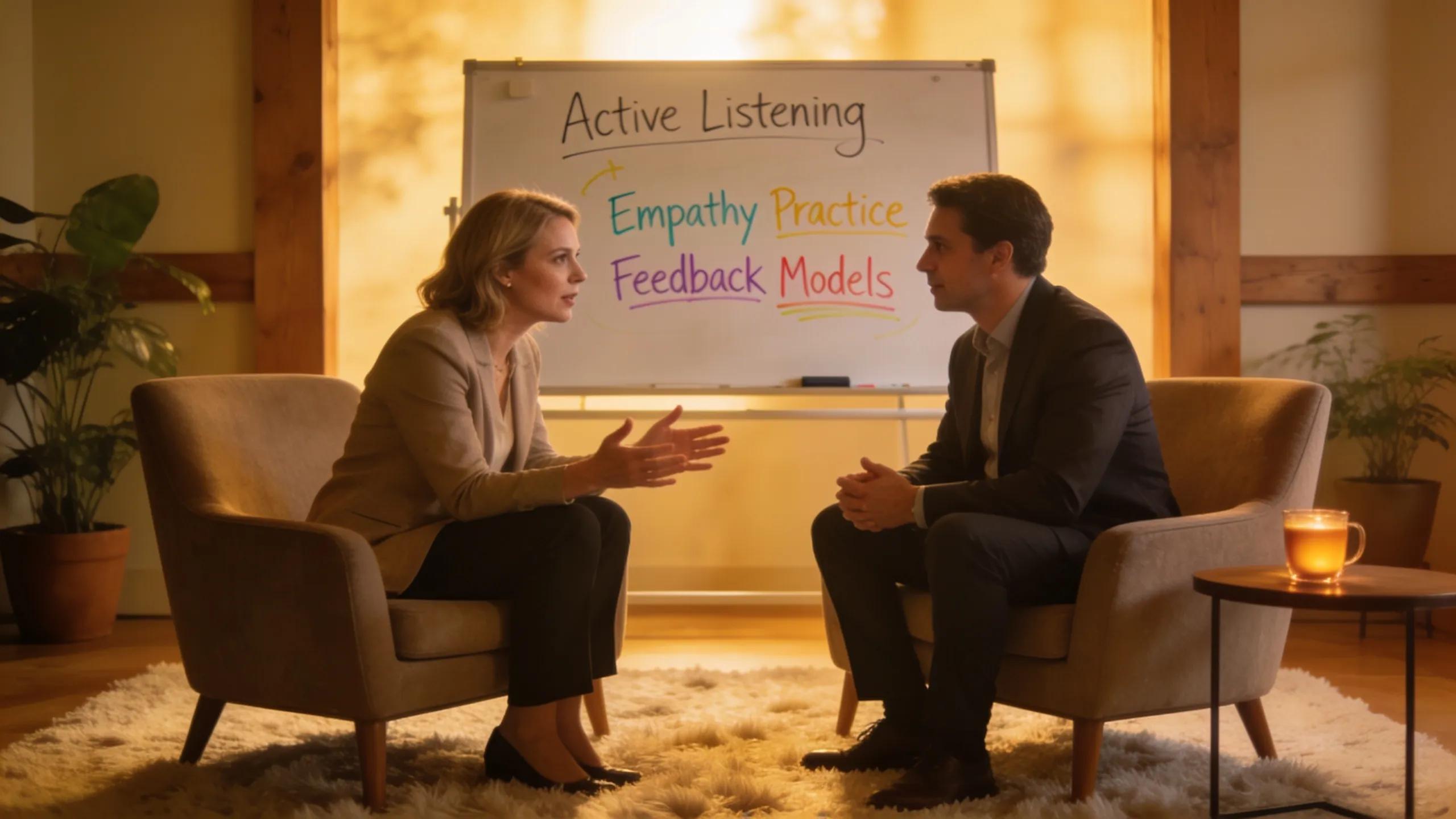
Emotional intelligence (EI) coaching is essential for executives seeking to improve their mental health and leadership effectiveness. This coaching focuses on developing emotional awareness, self-regulation, and empathy, key components in managing both personal and organizational stress. By enhancing EI, executives learn to navigate interpersonal dynamics more effectively, which can alleviate tensions and improve overall workplace culture.

For instance, a leader adept in emotional intelligence can better understand the emotional needs of their team, which fosters a supportive work environment. This support often reduces overall stress levels and contributes to a more cohesive team dynamic. Thus, emotional intelligence coaching not only benefits the individual but also enhances organizational resilience and morale.

What Are Common Symptoms of Leadership Burnout and How Can Recovery Be Achieved?

Recognizing the symptoms of leadership burnout is critical for timely recovery and sustained well-being in executives. Common signs include chronic fatigue, irritability, and a sense of detachment from one’s work. Executives experiencing these symptoms are at a higher risk for decreased productivity and increased absenteeism.

To combat burnout, proactive strategies need to be implemented. Effective recovery approaches may involve integrating stress management techniques, seeking professional therapy, and establishing supportive peer networks. Understanding the importance of mental health is vital for leadership sustainability. The subsequent section explores specific therapy programs designed to treat leadership burnout effectively.

Which Executive Therapy Programs Best Treat Leadership Burnout?

Several executive therapy programs target the treatment of leadership burnout with proven effectiveness. These programs typically focus on stress management, resilience training, and cognitive behavioral techniques. Some popular approaches include:

  1. One-on-One Executive Coaching: Tailored sessions allow for individualized strategies that address personal challenges and promote accountability.
  2. Group Therapy Workshops: These sessions encourage sharing of experiences and promote collective healing among executives facing similar challenges.
  3. Mindfulness-Based Interventions: Programs that incorporate mindfulness practices teach executives how to manage stress and restore mental clarity.

Research indicates that participants in such therapy programs report enhanced coping skills and improved well-being, essential for maintaining productivity and job satisfaction. The next section discusses practical steps that corporate leaders can take to restore their energy and reduce stress.

What Are Practical Steps for Corporate Leaders to Restore Energy and Reduce Stress?

Corporate leaders can adopt several practical steps to effectively restore their energy and mitigate stress levels. Implementing daily routines that prioritize self-care can significantly impact an executive’s well-being. Some actionable strategies include:

  1. Mindful Mornings: Start the day with mindfulness practices, such as meditation or journaling, to set a positive tone.
  2. Regular Breaks: Incorporate short breaks throughout the day to recharge mentally and physically; even a five-minute stretch can boost productivity.
  3. Physical Activity: Engage in regular exercise to enhance mood and improve overall health, making it easier to handle work-related stresses.

By embracing these habits, executives will cultivate a more balanced, productive lifestyle that enhances their capacity to lead and inspire others effectively.

How Are Personalized Executive Therapy Programs Structured for Stress Management?

Personalized executive therapy programs offer a tailored approach to stress management, accommodating individual needs and preferences. These programs typically include comprehensive assessments to identify specific stressors and challenges that a leader may face. Following assessment, therapists develop customized plans that may involve various therapeutic techniques, lifestyle changes, and ongoing support.

The structure of these programs often includes regular sessions with a licensed psychologist who specializes in executive stress management. This expert guidance is essential for navigating the unique pressures of leadership. Furthermore, ongoing progress tracking ensures that the strategies implemented are effective and adjust as necessary.

What Role Does Licensed Psychologist Expertise Play in Executive Stress Therapy?

The expertise of licensed psychologists is instrumental in the effectiveness of executive stress therapy. These professionals possess specialized training in understanding the psychological aspects of stress and burnout, equipping them to deliver effective treatment strategies. Their qualifications enhance the therapeutic process, ensuring that executives receive evidence-based interventions tailored to their unique situations.

For example, a licensed psychologist can employ “cognitive behavioral therapy” (CBT) techniques to help leaders recognize and alter negative thought patterns influencing their stress. Likewise, their insights can guide executives in developing better coping mechanisms, ultimately fostering improved mental health and workplace performance.

How Do Therapy and Coaching Models Combine to Enhance Executive Wellbeing?

The integration of therapy and coaching models can significantly enhance executive well-being by providing a comprehensive support framework. Coaching often focuses on performance enhancement and goal attainment, while therapy addresses psychological well-being and emotional health. When these approaches are combined, they offer a holistic solution for leaders.

Such integration allows executives to address both the external challenges they face and the internal emotional struggles that can impede performance. For example, while coaching might provide strategies for improving team communication, therapy can help a leader process stress related to interpersonal conflicts. This comprehensive approach not only improves individual mental health but also cultivates a more resilient organizational culture.

Latest Executive Stress Relief Techniques: A Comparison

What Are the Latest Industry Trends and Statistics in Executive Mental Health?

Recent industry trends indicate a growing recognition of the importance of mental health in the corporate workforce, particularly among executives. Studies show an alarming rise in burnout rates across leadership positions, with nearly 60% of executives reporting feelings of stress. This increasing prevalence has sparked greater demand for corporate wellness programs that focus on mental health support.

The implications of these trends are significant, with companies recognizing that investing in mental health correlates with improved employee performance and retention. As a result, many organizations are adopting comprehensive mental wellness initiatives, taking a proactive approach to prevent burnout and enhance employee well-being. This shift in focus underscores the necessity of addressing mental health concerns within corporate settings.

How Are Rising Burnout Rates Impacting Corporate Wellness Demand?

The surge in burnout rates among executives is driving a heightened demand for corporate wellness programs. Organizations are increasingly aware of the impact that leadership stress has on overall productivity and employee morale. Consequently, many are implementing robust mental health initiatives aimed at mitigating stress before it leads to burnout.

Data reveals that companies investing in wellness programs observe a significant return on investment, often reflected in reduced absenteeism and increased employee engagement. This trend highlights the critical need for preventative measures in workplace environments, emphasizing that supporting mental health is essential not only for individuals but for organizational success as a whole.

What Scientific Studies Support Executive Stress Management Effectiveness?

Numerous scientific studies underscore the effectiveness of executive stress management programs. Research indicates that structured therapy and coaching interventions yield marked improvements in psychological resilience among leaders. Current data demonstrates that executives participating in stress management programs report lower anxiety levels, improved job satisfaction, and enhanced overall well-being.

For example, a meta-analysis of various studies reveals that “cognitive behavioral therapy” techniques significantly reduce symptoms of stress and anxiety in working professionals. This evidence supports the efficacy of tailored therapy programs, reaffirming that “targeted interventions” are paramount for addressing the unique challenges faced by executives.

Where Can Executives Find Local Work-Life Balance Therapy and Stress Management Programs?

Executives seeking work-life balance therapy and stress management support can find multitudes of local providers offering specialized services. It’s essential for leaders to choose programs that align with their unique needs and perspectives. Available services may range from one-on-one coaching sessions to immersive workshops focused on mental resilience and stress management techniques.

Why Choose Licensed Irvine-Based Therapists Specializing in Executive Stress Relief?

Choosing licensed therapists based in Irvine specializing in executive stress relief offers several unique benefits. These professionals have a deep understanding of the specific pressures faced by executives in high-stress roles. Their expertise equips them to deliver targeted interventions focusing on both personal and professional aspects of mental health.

Additionally, local providers often foster a community-oriented approach, offering networking opportunities that enhance support systems among executives. This localized support can create a focal point for leaders seeking to address their mental health proactively and collaboratively.

How to Access Executive Coaching and Therapy Services Tailored to Corporate Leaders?

Accessing executive coaching and therapy services tailored to corporate leaders involves several straightforward steps. First, it is advisable to research local providers and read reviews to determine their specialties and approaches. Next, potential clients should schedule consultations to identify which therapists or coaches resonate with their personal goals.

During the initial consults, leaders can discuss their specific needs and assess the compatibility of therapeutic approaches with their objectives. Following this, it’s crucial to ensure that ongoing support and flexibility in scheduling are part of the services offered, as maintaining balance is key for executives navigating demanding roles.

Frequently Asked Questions (FAQ)

What are the primary benefits of work-life balance therapy for executives?

Work-life balance therapy helps executives manage stress, prevent burnout, improve mental clarity, and establish healthy boundaries between professional and personal life, leading to sustained leadership effectiveness.

How can mindfulness practices be integrated into a busy executive schedule?

Mindfulness can be incorporated through short daily meditation sessions, mindful breathing exercises, and moments of focused awareness during breaks, effectively reducing stress even in tight schedules.

Why is emotional intelligence important for executive mental health?

Emotional intelligence enables leaders to recognize and regulate their emotions, understand team dynamics, and foster a supportive workplace culture, which reduces stress and improves decision-making.

What signs indicate that an executive may be experiencing burnout?

Common signs include chronic fatigue, irritability, detachment from work, decreased productivity, and frequent absenteeism, signaling the need for intervention and support.

Where can executives find specialized stress management programs?

Executives can find specialized programs through licensed therapists and coaching services in their area, particularly those experienced in executive leadership and mental health, such as providers based in Irvine.

Conclusion

Effective management of executive stress and work-life balance is essential for sustaining leadership wellness and organizational success. Through targeted stress relief techniques, personalized therapy programs, emotional intelligence coaching, and mindful work-life balance strategies, executives can overcome burnout and enhance their mental resilience. Embracing these approaches not only benefits individual leaders but also positively influences team dynamics and corporate culture.

If you are an executive seeking professional support to improve your mental health and leadership capabilities, consider reaching out to Dr. James Tobin’s psychology practice based in Irvine, CA. With specialized expertise in executive stress management and work-life balance therapy, Dr. Tobin is dedicated to helping leaders like you achieve sustainable success and well-being. Visit jamestobinphd.com to learn more and schedule a consultation.

0 Comments

Submit a Comment

Your email address will not be published. Required fields are marked *

James Tobin Ph.D.
Privacy Overview

This website uses cookies so that we can provide you with the best user experience possible. Cookie information is stored in your browser and performs functions such as recognising you when you return to our website and helping our team to understand which sections of the website you find most interesting and useful.