

Business Hours: Mon - Fri: 8AM - 8PM

Serene therapy setting with a couch, notepad, and cup, symbolizing psychodynamic therapy

Understanding Psychodynamic Therapy in Irvine, CA

Jul 3, 2026 | 66

Understanding Psychodynamic Therapy in Irvine, CA: Benefits, Process, and Expert Guidance

By James Tobin, James Tobin PHD

Psychodynamic therapy, rooted in the principles of depth psychology, offers individuals a pathway to explore their unconscious thoughts and emotions, enabling deeper self-awareness and emotional resilience. In Irvine, California, this therapeutic approach has gained recognition for its effectiveness in addressing various mental health challenges, including trauma and relationship issues. Many individuals struggle to navigate life transitions, find meaning in their experiences, and resolve inner conflicts. Psychodynamic therapy provides a structured framework to delve into these complexities and uncover insights that lead to personal growth and healing. This article will cover the benefits of psychodynamic therapy, its therapeutic process, and expert insights from James Tobin, Ph.D., who specializes in this method.

Benefits

Psychodynamic therapy offers numerous advantages that contribute to emotional well-being and personal growth. Key benefits include:

  1. Self-Awareness: Through the exploration of unconscious processes, clients gain insight into their thoughts, feelings, and behaviors, leading to greater self-understanding.
  2. Emotional Resilience: This therapy strengthens the ability to cope with emotional challenges by resolving past traumas and inner conflicts.
  3. Long-Term Growth: Clients often experience lasting changes in their emotional patterns, fostering healthier relationships and improved life satisfaction over time.
  4. Support for Life Transitions: Psychodynamic therapy can provide guidance and tools to navigate significant life changes, such as career shifts or relationship breakdowns.

These benefits create a foundation for improved mental health, allowing individuals to lead more fulfilling lives.

Therapeutic Process

The therapeutic process of psychodynamic therapy is characterized by a structured yet flexible approach that promotes deep emotional exploration. Initially, therapists work to build a trusting relationship with their clients, which is essential for effective therapy. This phase often involves:

  • Initial Sessions: These sessions focus on establishing rapport and understanding the client’s history, challenges, and goals for therapy.
  • Ongoing Sessions: As therapy progresses, clients delve deeper into their emotions and thoughts, often discussing dreams, memories, and significant events in their lives.
  • Techniques Used: Various techniques facilitate exploration, including free association, dream analysis, and recognizing patterns in client-therapist interactions.

Techniques Used

Psychodynamic therapy employs several techniques that help unlock unconscious processes and bring them into conscious awareness. Some commonly used techniques include:

  • Cognitive Behavioral Therapy (CBT): Elements of CBT may be integrated to address specific thought patterns that hinder emotional well-being.
  • Mindfulness-Based Interventions: Mindfulness techniques can enhance self-awareness and help clients remain present during sessions, fostering deeper exploration.
  • Somatic Strategies: Some practitioners utilize somatic techniques to help clients connect with bodily sensations associated with emotional experiences.

These techniques provide clients with tools to uncover deeper emotional truths, aiding in their overall therapeutic journey.

Expert Guidance on Effective Practice
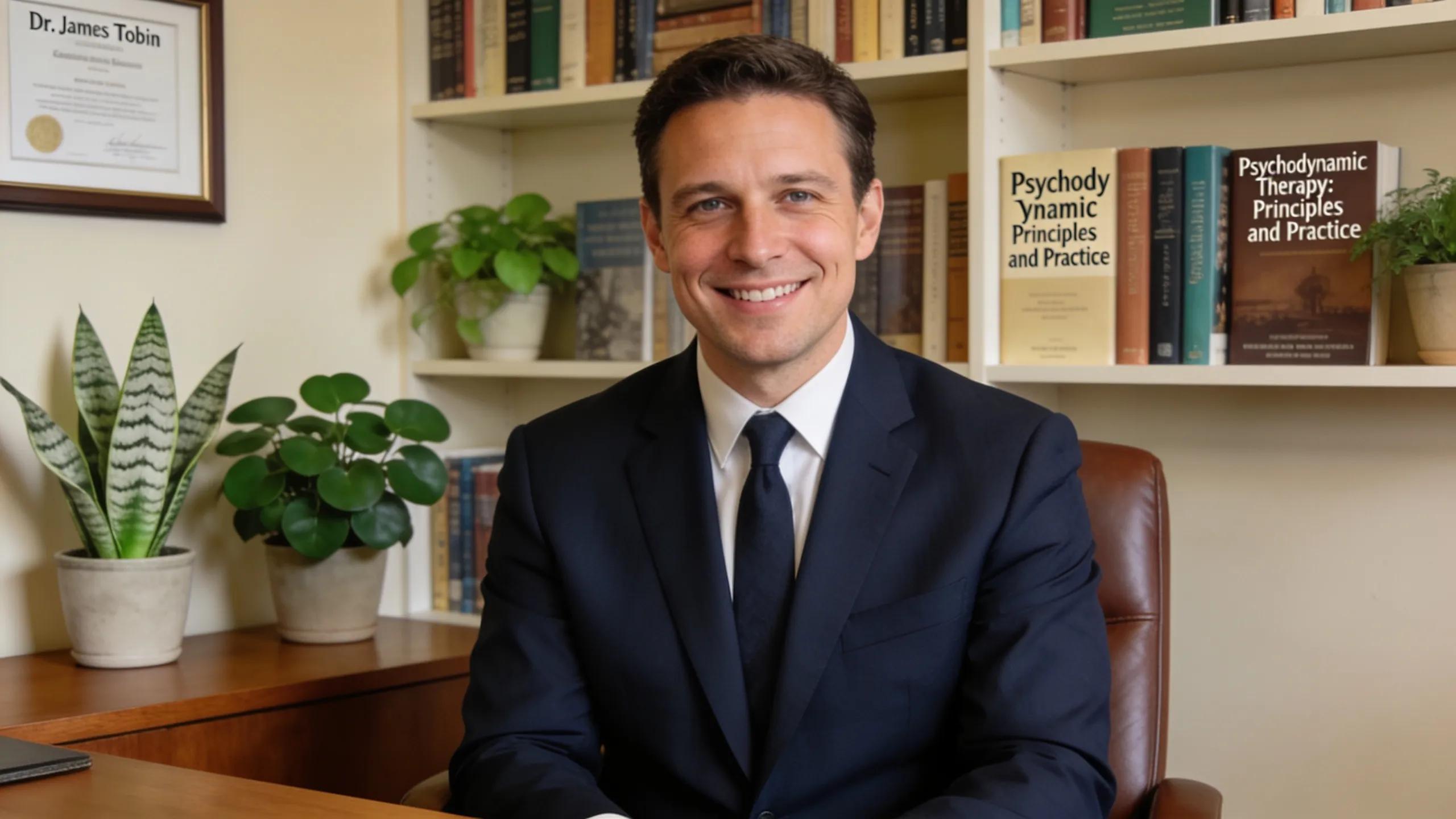
Dr. James Tobin, a seasoned psychologist in Irvine, brings over 24 years of experience in psychodynamic therapy, emphasizing a patient-centered approach. His work focuses on understanding each client’s unique emotional landscape and tailoring interventions accordingly. Dr. Tobin values confidentiality and fosters an environment where clients feel safe to express their innermost thoughts and feelings.

Origins and Core Principles of Psychodynamic Therapy

Psychodynamic therapy has roots in the theories of Sigmund Freud, emphasizing the role of the unconscious mind in shaping behaviors and emotions. The core principles include the belief that unresolved conflicts from the past can manifest in current emotions and behaviors. By exploring these unconscious influences, clients can work towards resolution and personal growth, paving the way for healthier relationships and emotional well-being.

How Psychodynamic Therapy Explores the Unconscious Mind

The exploration of the unconscious mind is essential in psychodynamic therapy, allowing clients to understand deeply buried thoughts and feelings. Through techniques such as free association and dream analysis, clients can verbalize hidden fears and desires. This process often reveals patterns that contribute to emotional distress, enabling clients to integrate these insights and facilitate healing.

What Are the Key Benefits of Psychodynamic Therapy for Irvine Clients?

For clients in Irvine, psychodynamic therapy offers specific benefits tailored to the community’s unique needs. These include:

  1. Emotional Insights: Clients gain clarity on their emotional experiences, fostering understanding and reducing anxiety.
  2. Coping Mechanisms: The therapy equips individuals with strategies to handle stressors more effectively.
  3. Long-Term Outcomes: Many clients find that the benefits of psychodynamic therapy lead to sustainable improvements in mental health.

Emotional Insight and Resolution of Inner Conflicts

One of the main strengths of psychodynamic therapy is its ability to promote emotional insight. By exploring personal narratives and their underlying emotions, clients can identify and resolve inner conflicts. This transpiring process often involves:

  • Exploration of Patterns: Clients recognize recurring themes in their experiences and relationships that obstruct their emotional growth.
  • Therapeutic Relationship: The bond formed with the therapist serves as a catalyst for understanding and addressing these patterns.
  • Integration of Experiences: By connecting past experiences with present feelings, clients can foster emotional resolution and personal development.

Effectiveness for Treating Anxiety, Trauma, and Complex Conditions

Research supports the effectiveness of psychodynamic therapy in treating various mental health issues, particularly anxiety, trauma, and complex emotional conditions. Evidence has shown benefits such as:

In fact, data suggests that psychodynamic therapy, even for severe conditions, can lead to significant and lasting improvements.

Psychodynamic Therapy for Trauma and Psychiatric Illness

Many patients with serious and complex psychiatric illness have experienced severe early life trauma in affected by psychodynamic psychotherapy. Levy et al.The cost-effectiveness of psychotherapy for the major psychiatric diagnoses, 2014

  • Evidence for Trauma Resolution: Academic findings indicate that psychodynamic approaches are particularly effective in alleviating symptoms related to traumatic events.
  • Anxiety Management: By identifying and addressing the root causes of anxiety, clients often experience significant reductions in distress.
  • Complex Conditions Addressed: The therapeutic process is beneficial for individuals dealing with complex psychological issues, enabling deeper understanding and management of emotional challenges.

Who Is James Tobin PhD and What Is His Approach to Psychodynamic Therapy in Irvine?

Dr. James Tobin is a distinguished psychologist based in Irvine, known for his commitment to delivering high-quality psychodynamic therapy. His approach is characterized by a profound understanding of depth psychology and its applications in modern therapeutic contexts.

Credentials and Specialization in Depth Psychology

Dr. Tobin’s extensive education and training in psychology provide a solid foundation for his therapeutic practice. His credentials include:

  • Educational Background: Doctorate in psychology, specializing in psychodynamic approaches.
  • Clinical Experience: Over 24 years of experience in private practice, focusing on psychotherapy for adults, couples, and teens.
  • Specializations: Expertise in addressing life transitions, trauma, relationships, and professional challenges.

These qualifications empower Dr. Tobin to skillfully guide clients through their therapeutic journeys.

Therapeutic Techniques and Patient-Centered Care Model

Dr. Tobin employs a tailored approach that focuses on each client’s unique needs and experiences. His patient-centered care model emphasizes:

  • Collaborative Process: Encouraging clients to take an active role in their therapy fosters empowerment and ownership of emotional growth.
  • Focus on Emotional Growth: Prioritizing emotional transparency helps clients navigate complex feelings and experiences effectively.
  • Trauma Sensitivity: His practice is grounded in understanding the impact of trauma on mental health, ensuring a compassionate approach to treatment.

This framework provides clients with the necessary support to navigate their emotional challenges.

What Does the Psychodynamic Therapy Process Look Like in Irvine Clinics?

The psychodynamic therapy process in Irvine clinics is structured to facilitate comprehensive emotional exploration. Clients can expect a supportive environment where therapeutic relationships flourish, allowing for deep personal insights.

Typical Therapy Sessions and Duration Expectations

Clients typically engage in weekly therapy sessions that last around 50 minutes each. During these sessions, the focus is on:

  • Weekly Frequency: Regular sessions help establish continuity and support throughout the therapeutic journey.
  • Session Length Variability: While most sessions are 50 minutes, some may extend to allow deeper exploration of complex topics.

What Patients Can Expect During Treatment

Throughout the treatment process, patients can anticipate several outcomes:

  • Collaboration with Therapist: The therapeutic relationship is highly collaborative, emphasizing open communication and trust.
  • Focus on Emotional Honesty: Clients are encouraged to express their feelings authentically, facilitating deeper understanding and resolution.

This structure fosters a transformative experience, guiding clients toward emotional healing and resilience.

How Does Psychodynamic Therapy Compare to Other Depth Psychology Techniques?

Psychodynamic therapy shares similarities with various depth psychology techniques but stands out due to its unique methodologies and focus areas. Key points of comparison include:

Differences Between Psychodynamic Therapy and Cognitive Behavioral Therapy

Unlike cognitive behavioral therapy (CBT), which focuses more on present behaviors and thought patterns, psychodynamic therapy delves into unconscious influences and past experiences. The fundamental differences between these approaches are:

It’s important to note that psychodynamic treatments, despite their proven efficacy, are sometimes underrepresented in outcome studies compared to other approaches.

Psychodynamic vs. CBT Outcome Studies

outcome studies of other treatments, notably CBT, than of psychodynamic treatments. TheThe efficacy of psychodynamic psychotherapy., J Shedler, 2010

  • Methodological Differences: CBT is typically more structured and goal-oriented, while psychodynamic therapy allows for free exploration of emotions and thoughts.
  • Therapeutic Goals: While CBT aims for symptom relief, psychodynamic therapy seeks deep emotional understanding and personal growth.

Relationship Between Psychodynamic Therapy and Psychoanalysis

Psychodynamic therapy and psychoanalysis share common foundations, but they differ significantly in intensity and duration. Notable differences include:

  • Common Foundations: Both approaches stem from Freud’s theories, emphasizing the unconscious mind’s role in shaping behavior.
  • Differences in Intensity: Psychoanalysis often involves more frequent sessions over a longer duration, while psychodynamic therapy typically has a more flexible structure.

What Are Client Experiences and Success Stories From Irvine Psychodynamic Therapy?

Clients often report transformative experiences through psychodynamic therapy, highlighting its profound impact on their emotional well-being.

Indeed, empirical evidence consistently demonstrates the strong efficacy of psychodynamic psychotherapy, with benefits that often endure and deepen even after treatment concludes.

Empirical Efficacy of Psychodynamic Psychotherapy

Empirical evidence supports the efficacy of psychodynamic psychotherapy. Effect sizes for psychodynamic psychotherapy are as large as those reported for other therapies that have been actively promoted as “empirically supported” and “evidence based.” Additionally, patients who receive psychodynamic therapy maintain therapeutic gains and appear to continue to improve after treatment ends. Finally, nonpsychodynamic therapies may be effective in part because the more skilled practitioners utilize techniques that have long been central to psychodynamic theory and practice. The perception that psychodynamic approaches lack empirical support does not accord with available scientific evidence and may reflect selective dissemination of research findings.The efficacy of psychodynamic psychotherapy, 2011

Local Testimonials Highlighting Therapy Benefits

While specific testimonials are unavailable, many clients express appreciation for the improvements in their emotional health and relationships following therapy. Common themes include:

  • Enhanced Emotional Awareness: Many individuals feel more in tune with their emotions, leading to healthier interactions.
  • Increased Coping Skills: Clients frequently discuss how therapy has better equipped them to handle life’s challenges.

How Psychodynamic Therapy Has Impacted Emotional Wellness in Irvine

The impact of psychodynamic therapy extends beyond individual clients, contributing to the broader emotional wellness of the Irvine community. The emphasis on psychological understanding aids in fostering resilience and meaningful connections among residents, creating a culture where mental health is prioritized and openly discussed.

Through these therapeutic processes and insights, psychodynamic therapy serves as a valuable resource for those seeking not only emotional healing but also a deeper understanding of oneself.

0 Comments

Submit a Comment

Your email address will not be published. Required fields are marked *

James Tobin Ph.D.
Privacy Overview

This website uses cookies so that we can provide you with the best user experience possible. Cookie information is stored in your browser and performs functions such as recognising you when you return to our website and helping our team to understand which sections of the website you find most interesting and useful.